How to Plan a Week of Phonics in Under 30 Minutes (My READS Method)

This post may contain affiliate links, and I will earn a commission if you purchase through these links. Please read the disclosure policy for more details.
It’s Sunday night. Your scope and sequence is open in one tab, last week’s plan is open in another, and you have three more tabs of activities you’re deciding between. An hour in, you’re still not sure what Tuesday looks like.
Here’s why that hour turns into three: you’re deciding the same things you decided last week. Which activity to use. How the lesson should run. What the practice should look like. Those questions get answered from scratch every single week, and they don’t need to be.
Planning a week of phonics takes about 30 minutes once you know which decisions are genuinely new and which ones were settled back in August.
That sorting is what READS does.
Grab 12 FREE phonics word lists & anchor charts by subscribing to my list!
*Most school spam filters block my emails, so please use a personal email.

What READS is, and what it isn’t
READS is the framework I use for phonics instruction:
- R: Respond to Data. Use quick, low stakes checks to drive instruction. Look at skill level, not reading level.
- E: Explicit Instruction. Teach the skill clearly, one pattern at a time. I do, we do, you do.
- A: Apply and Practice. Match the practice to the skill you taught. Decodable text and word work that line up with your scope and sequence.
- D: Do It Daily. Consistency and cumulative review. The skill shows up every day, not once a week.
- S: Support with Grace. Meet students where they are without lowering the instruction.
It isn’t the order you teach in. You don’t do R on Monday and S on Friday.
Think of it as five questions you run once a week while you plan. Two of them need a fresh answer every week. The other three should already be answered.
The two decisions that change every week
R and S depend on what your students did last week, so you can’t settle them in advance.
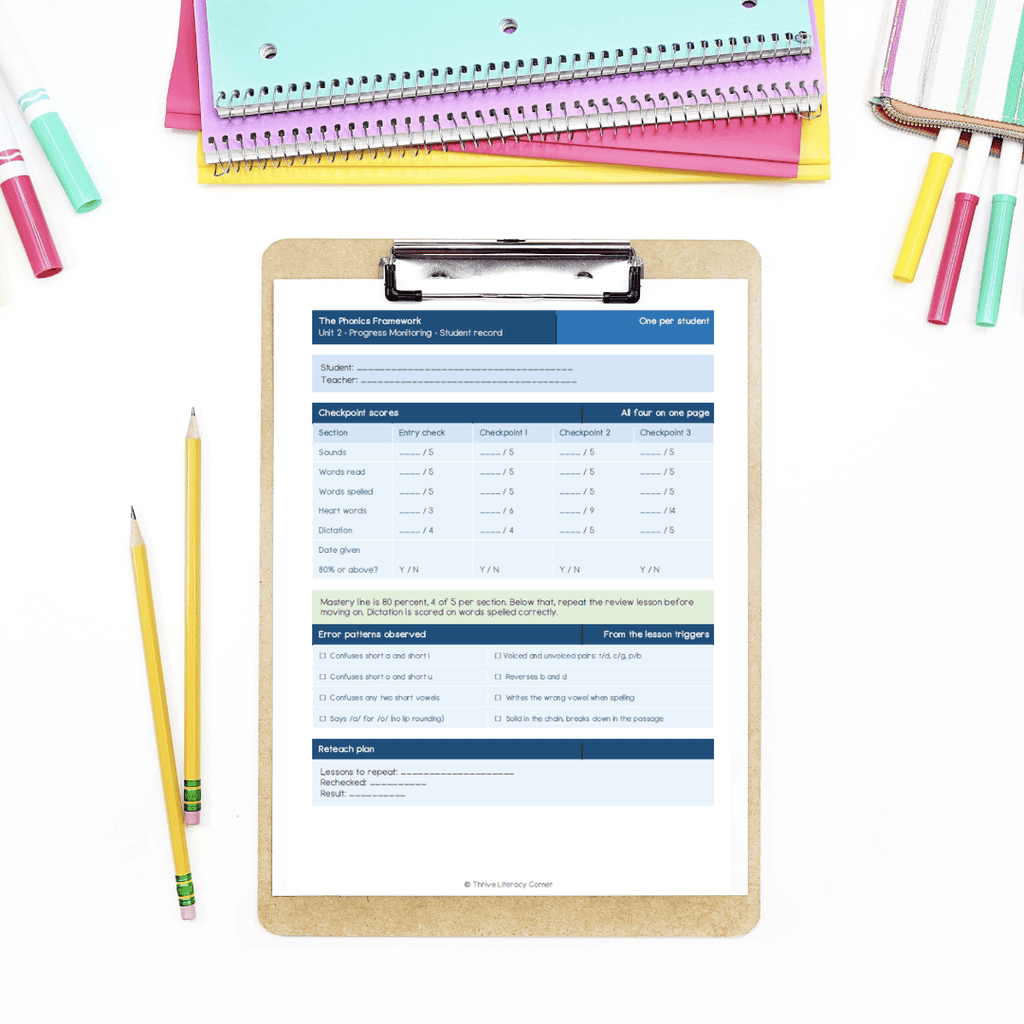
R: what does the data say right now? Pull your checks from the week. Who read all five words correctly three days running. Who is still hunting for the sound. Which group is ready to move and which one needs another round. If you’re not sure how to decide when a group moves forward, I wrote a whole post on when to move on to the next phonics skill.
S: who needs something different, and what is it? Reteaching for the group that didn’t get there. A slower pace on the new pattern. Two students you’re watching this week before you make a bigger change. If a group has been working on the same skill for weeks without movement, that’s a different problem, and I walked through it in what to do when reading intervention isn’t working.
This is the real planning work. It’s also the first thing to get squeezed when the other three questions eat your evening.
The three decisions you can make once
E, A, and D are decisions you make one time and then reuse.
E: what you teach and how you model it. The skill comes from your scope and sequence. The modeling follows the same structure every time: you do it, you do it together, they do it. I broke down what belongs in a phonics lesson if you want the full structure.
A: how students practice. Your practice options stay the same all year. Word mapping, word chains, dictation, decodable text. Every week you pick two or three that fit the skill. Picking takes a minute when you’re choosing from a set you already use. It takes an hour when you’re browsing.
D: the daily routine. Roughly 20 minutes, same shape every day: sound drill, the target skill, guided practice, application in text, a quick review of something older. Set the routine in August and leave it alone. Students move faster through a routine they already know.
Once these three are built, planning them each week means pulling from what exists.

You’re planning two things, not one
Your phonics block has two parts, and they need different planning.
The lesson with you runs 15 to 20 minutes. That’s where new teaching happens.
Centers or independent work run another 15 to 30 minutes. Students are practicing there, not learning something new.
Teachers usually plan the first part and then spend just as long planning the second. The second part should take almost no time at all.
The centers rule: don’t invent new activities
Each center keeps the same two or three activity formats all year. Only the content inside them changes.
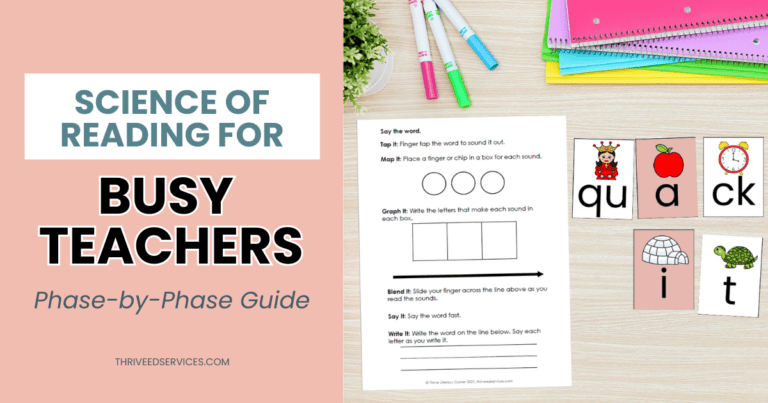
A spelling center is always phoneme grapheme mapping or roll and write. That’s the setup for the whole year. What changes is the word list: short a words in September, digraph words in November, long vowel words in February.
A fluency center is always a decodable passage and a partner read. The passage changes. The routine doesn’t.
Here’s what happens when the format changes every week instead. One week it’s a game with cards and a spinner. The next week it’s a worksheet with a new layout. The week after that it’s a different game with different rules.
Every one of those requires teaching. You model it, you answer questions about it, you circle back when three students do it wrong. By the time students understand the activity, center time is over.
They spend their practice minutes learning directions instead of applying the skill. And because the structure keeps shifting, they never build the independence that lets you actually teach your small group without interruptions.
Same format, new content. That’s the rule.
The 30 minute planning sequence
Here’s the order I run it in.
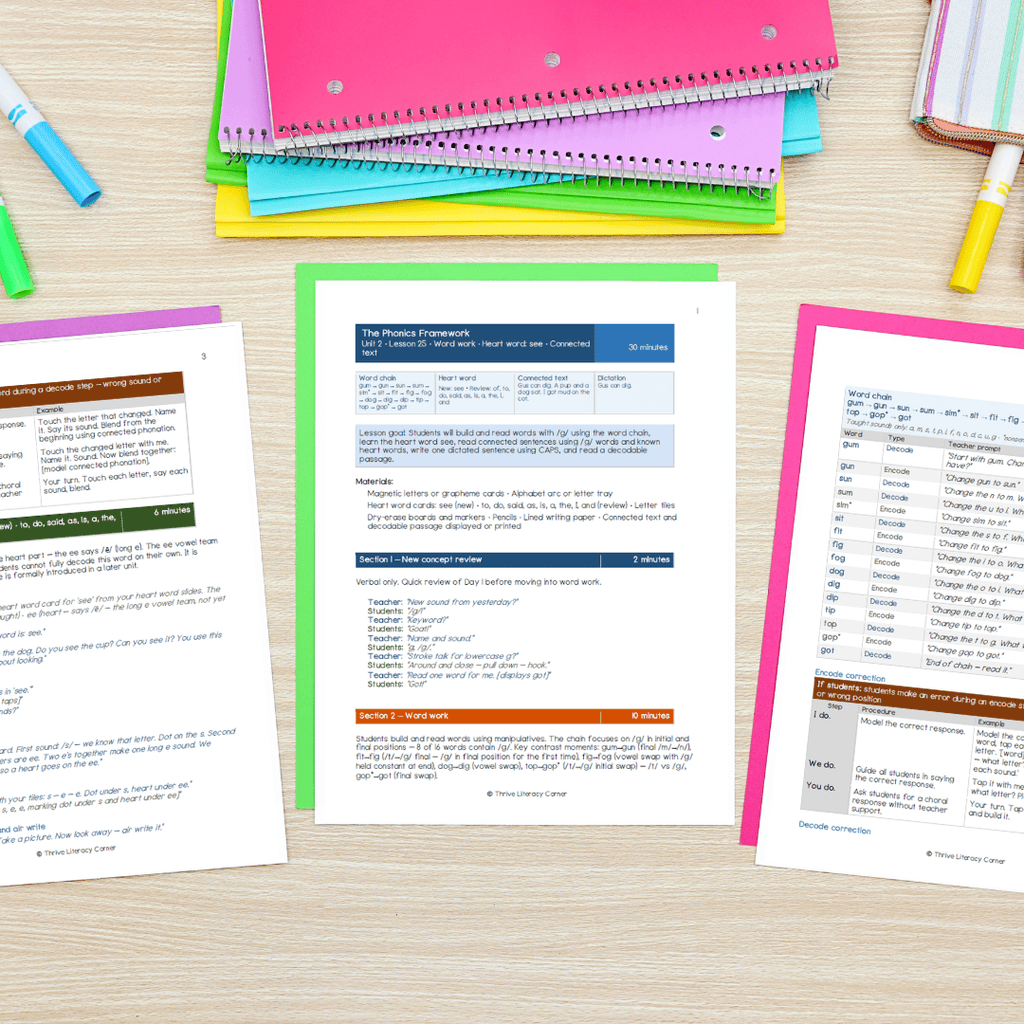
1. Look at last week’s data and set your groups. (10 minutes)
This gets the most time because it’s the only part that can’t be decided ahead. Who moved, who didn’t, who’s ready for the next skill. If your data lives on sticky notes and half-finished checklists, the Reading Intervention Data Tracker and Small Group Generator sorts your class into groups from the assessment you already give.
2. Confirm the skill and how you’ll model it. (5 minutes)
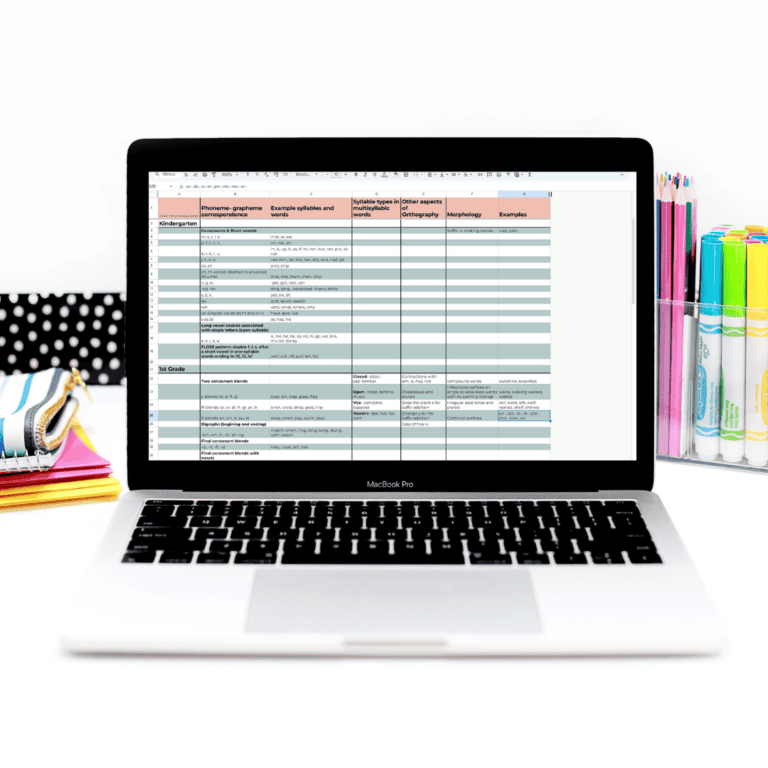
Your scope and sequence tells you what’s next. Note the examples you’ll use and the words you’ll say during the I do. If you need a scope and sequence to work from, my K-2 version is in the free Thrive Freebies Library, along with word lists sorted by phonics skill.
3. Choose your practice. (5 minutes)
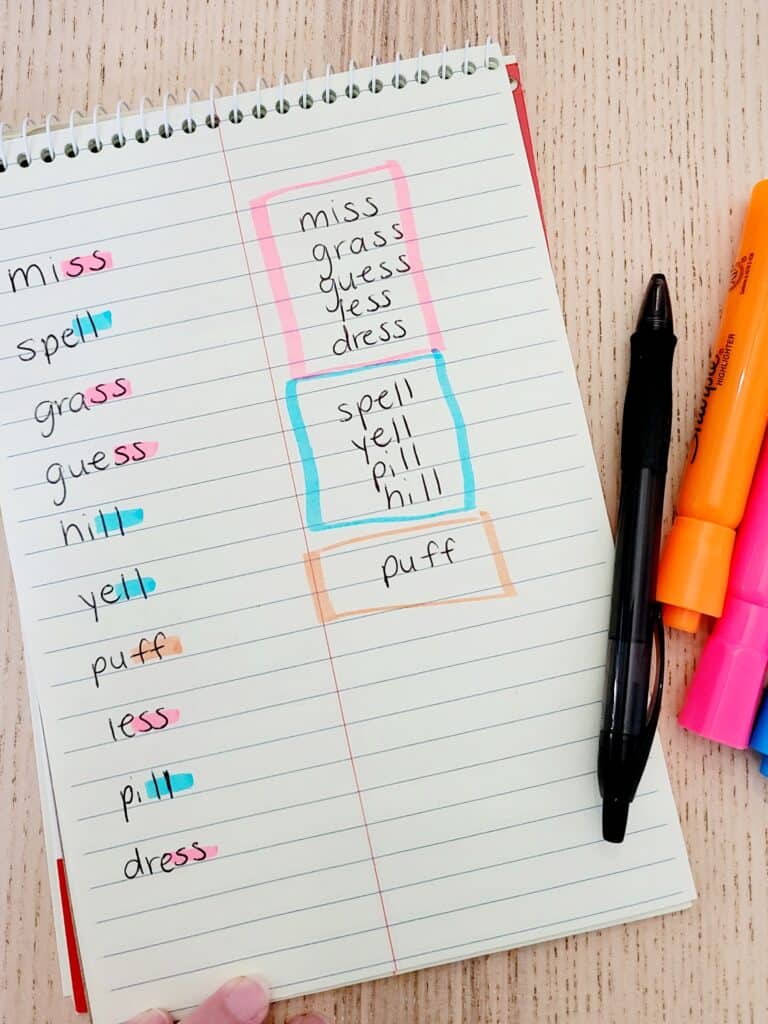
Pick two or three activities from the ones you already use. Grab the word list for the skill. This is where having word lists ready saves the most time, because building a controlled list yourself takes far longer than teachers expect once you start checking every word against what students have actually been taught.
4. Drop everything into the routine. (5 minutes)
Your daily structure is already set. You’re placing the skill, the practice, and the text into slots that exist.
5. Flag reteaching and your watch list. (5 minutes)
Who’s getting extra time with you, what you’re adjusting, who you’re keeping an eye on.
The time boxes hold because steps 2, 3, and 4 are pulling from things that already exist. If you’re building those from scratch, no sequence in the world gets you to 30 minutes.
If you don’t have a curriculum
Then the three settled decisions are yours to build, and they’re worth building once rather than every Sunday.
You’d need a daily routine you keep all year. A bank of words for every skill in your scope and sequence. A small set of center formats you rotate content through. Modeling language for each new pattern so you’re not composing it live.
That will take longer then 30 minutes. It’s a summer project, or several weekends, depending on how many skills you’re covering.
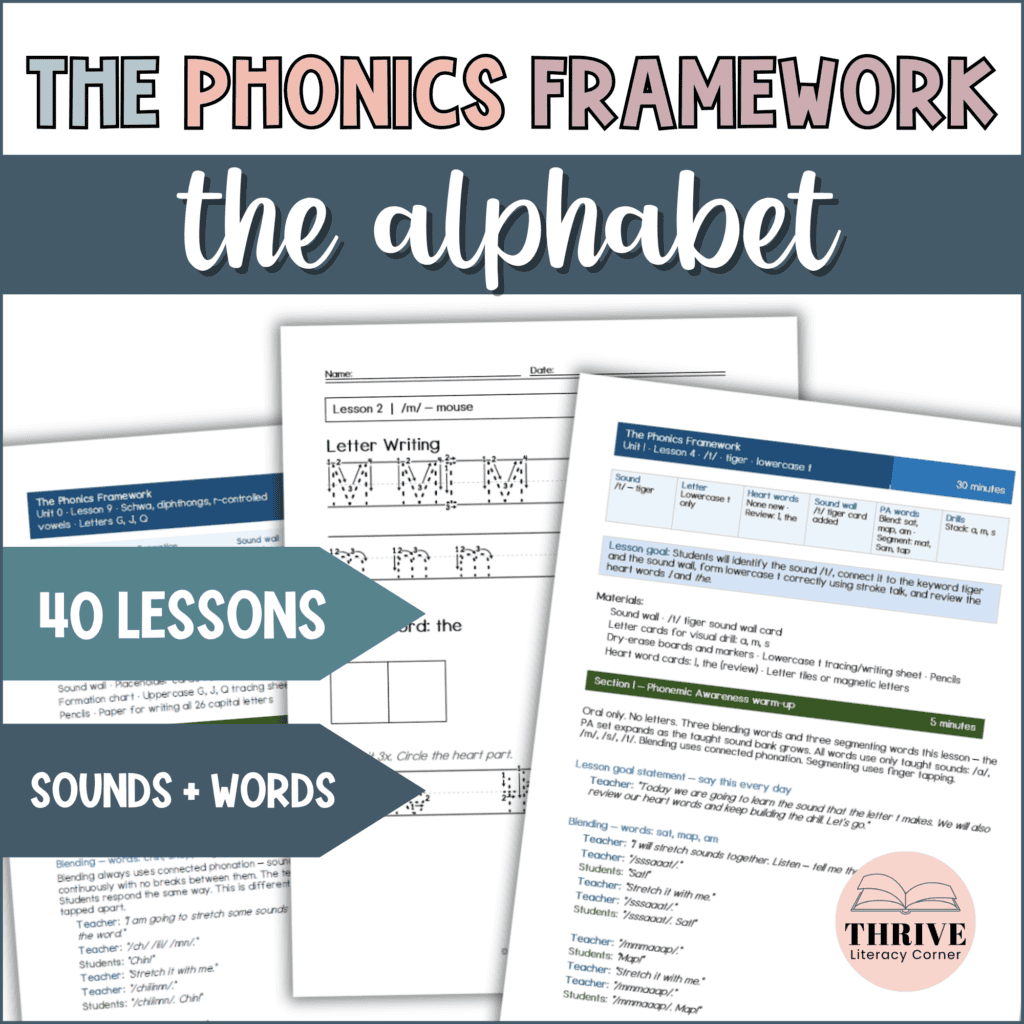
It’s also exactly what a curriculum gives you. When I built The Phonics Framework, that was the goal: the routine, the word lists, the modeling language, and the practice already decided, so the only thing left to plan each week is what your students actually need.
Either way, the work happens once.
The Sunday night test
When you catch yourself deciding something, ask whether you decided it last week too.
If you did, it belongs in the settled pile. Build it once, write it down, and stop revisiting it.
That’s the whole difference between a three hour plan and a 30 minute one.
Resources that make this faster
- Long Vowel Words Worksheets and Activities Bundle for ready made practice across every long vowel spelling
- Word Chains and Word Ladders Bundle for the word work slot in your routine
- Decodable Passages with Comprehension Questions K-2 Bundle for the fluency center
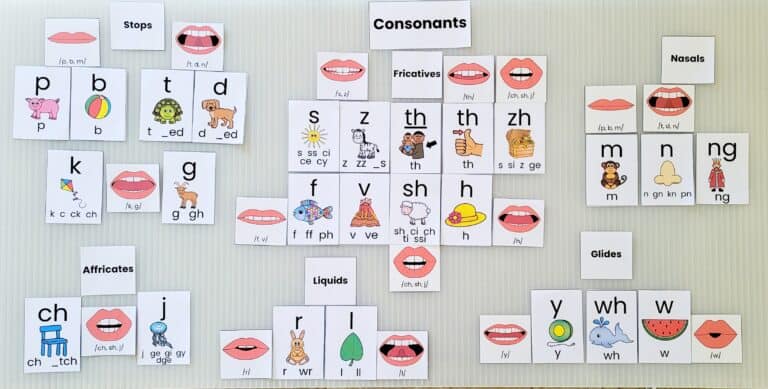
- Sound Wall Phoneme Cards for the daily sound drill
- Word Mapping Templates for the spelling center
Pick one piece to settle this week. If your center activities change every week, start there, because it gives you back the most time for the least effort.
And if you want the scope and sequence and the word lists to plan from, grab them in the freebies library below.
Join my list and get access to my vault of freebies, plus weekly emails with tips, new posts, and promotions!
*Most school spam filters block my emails, so please use a personal email.