What to Reset in Small Groups After Winter Break (And What to Leave Alone)

This post may contain affiliate links, and I will earn a commission if you purchase through these links. Please read the disclosure policy for more details.

Small groups after winter break can feel… off.
Students forget routines. Materials are scattered. The flow that worked in December suddenly feels chaotic in January.
And it’s easy to think, Maybe I need to start over. Maybe I need a whole new system.
But here’s the truth: January small groups feel messy for a lot of teachers. That doesn’t mean you did anything wrong.
After a long break, routines slip. That’s normal.
You don’t need a brand-new system in January. You just need a few clear resets.
Let me walk you through what’s actually worth resetting—and what you should leave alone.

Why Small Groups Feel Off After Break
Here’s what usually happens:
Students come back rusty. They’ve been out of the school routine for two weeks. They don’t remember which group they’re in, what station comes next, or what they’re supposed to do when they get there.
Your routines have slipped. Maybe you adjusted things right before break to squeeze in holiday activities. Or maybe you just haven’t reinforced the structure in a while.
The result? Confusion. Transitions take forever. Kids ask the same questions over and over. Your instructional time shrinks.
But here’s the good news: You’re not starting from scratch. You just need to tighten up a few things.
SCIENCE OF READING QUICK START GUIDE
Grab your FREE guide with the 5 tools you need to get started with SOR!
*Most school spam filters block my emails, so please use a personal email.

What to Reset: Start Here
1. Clarify Your Routine
This is the most important reset you can make.
Your small group routine should be predictable. Students should know:
- What order things happen in
- What they’re doing at each station
- What materials they need
- What comes next
When I say “routine,” I don’t mean the content has to be the same every day. The structure stays the same. The actual texts, words, or skills change.
For example:
Students always do phoneme-grapheme mapping at Station 2. They know when they get to that station, they grab their spelling template and manipulatives. What changes is the actual words they’re working on that week.
Same activity. Different content.
This removes confusion. Students aren’t guessing what to do—they already know the system.
Quick Reset:
Take 5 minutes to review your small group flow with students. Walk them through the order. Show them what each station looks like. Remind them what to expect.

2. Reassess and Regroup
Mid-year is a natural time to reassess students and reshuffle groups.
Most teachers do some kind of mid-year benchmark or progress monitoring in January anyway. Use that data to check:
- Are students still in the right group?
- Have any students made enough progress to move up?
- Are there new skill gaps that need targeted support?
Regrouping based on current skills, not September data, helps you target instruction more effectively.
Tool to Use:
I have a free Small Groups Planner that helps you sort students by skill level and suggests which activities to focus on with each group.
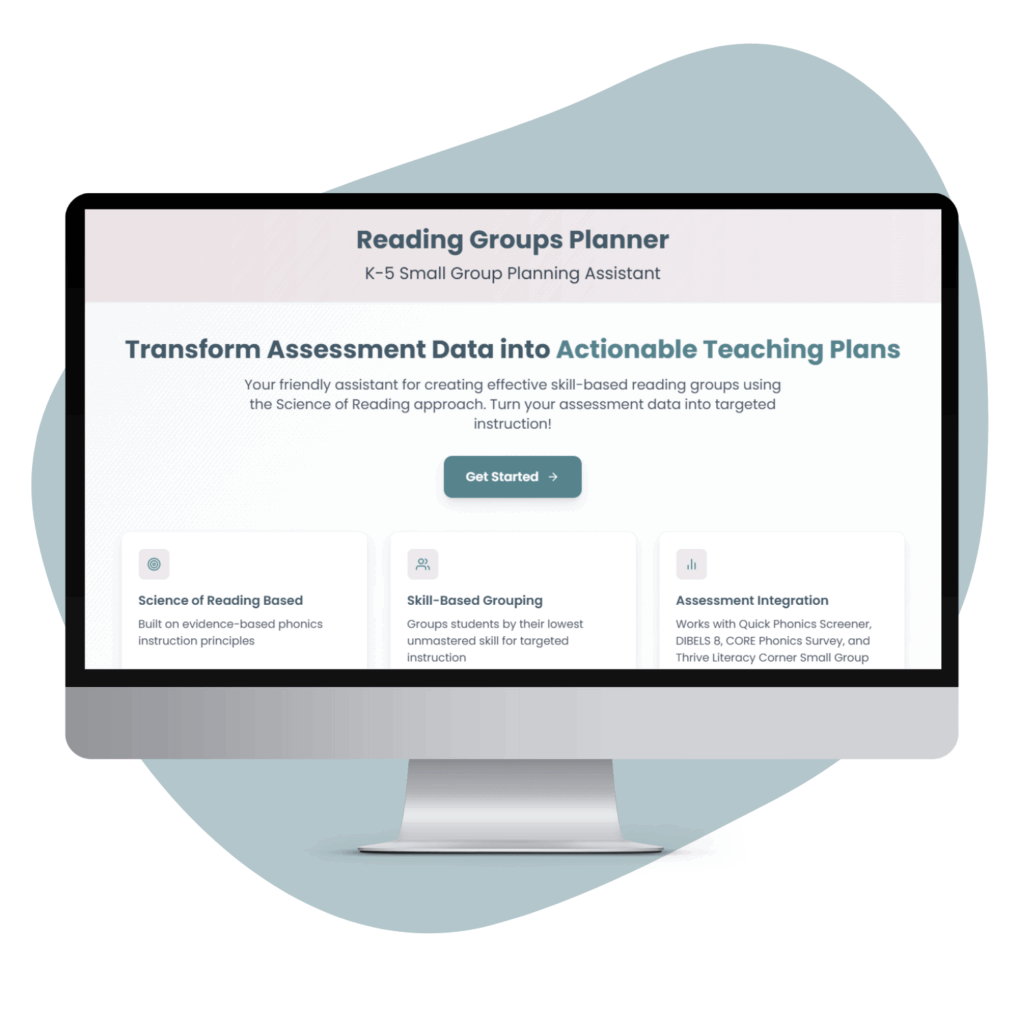
There’s also a paid spreadsheet version that auto-sorts students for you based on the data you enter and tells you exactly what types of activities each group needs. Get it here.

3. Simplify Your Activities
If your small groups feel overwhelming right now, simplify.
Go back to basics:
- Phonemic awareness warm-up (2 minutes)
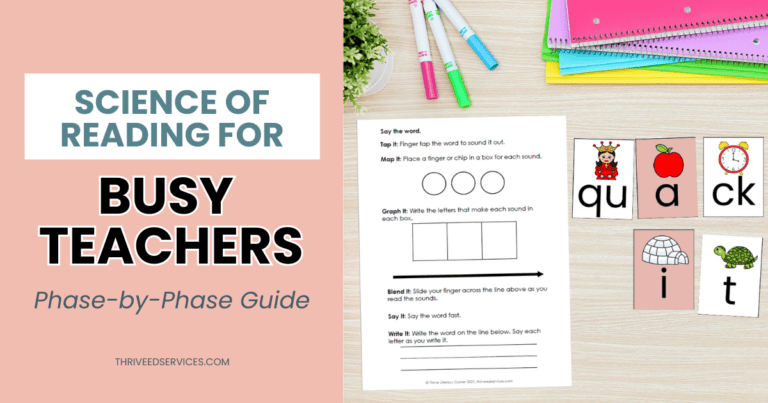
- Phoneme-grapheme mapping (review sounds, spell words)
- Decodable text practice (reading connected text with the skills you’ve taught)
That’s it.
You don’t need 12 different activities rotating through stations. You need a simple, predictable routine that lets you focus on instruction, not managing chaos.
Quick Reset:
Pick 2-3 core activities and stick with them for the next few weeks. Same activities, different content each week.

What NOT to Reset: Leave These Alone
1. Don’t Change Your Grouping System Mid-Year
If you’re using a system that’s generally working, whether it’s ability-based groups, flexible groups, or intervention rotations, don’t overhaul it in January.
Tweaking who’s in which group is fine. Completely changing how you group students mid-year creates more confusion.
Stick with your structure. Adjust the details. Leave the overhaul for next year.
2. Don’t Throw Out Materials That Are Working
If your decodables, sound wall cards, or phonics materials are effective, keep using them.
January is not the time to start a brand-new curriculum or resource set.
You might add a few new tools (like a lesson plan generator or tracking templates), but don’t scrap what’s already working.
3. Don’t Add More
When small groups feel chaotic, the instinct is to add more—more activities, more materials, more interventions.
But usually, the problem isn’t that you’re doing too little. It’s that things aren’t structured clearly enough.
A few clear routines matter more than changing everything.
One Simple Reset You Can Try This Week
If you only do one thing this week, do this:
Review your small group flow with students.
Take 5 minutes at the start of your first small group session and walk through:
- What happens first
- What happens next
- What students should do if they finish early
- What students should do if they need help
That’s it.
Clarity beats complexity every time.
Final Thought
If your small groups feel off right now, you’re not alone.
January is messy for a lot of teachers. But you don’t need to start over.
You just need a reset.
Looking for a simple way to structure your small groups without starting from scratch?
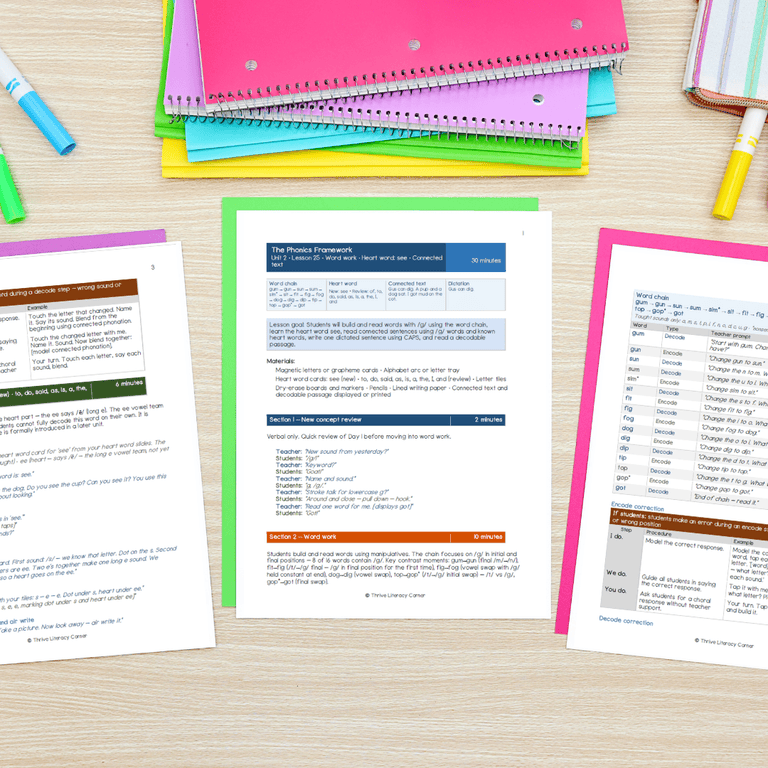
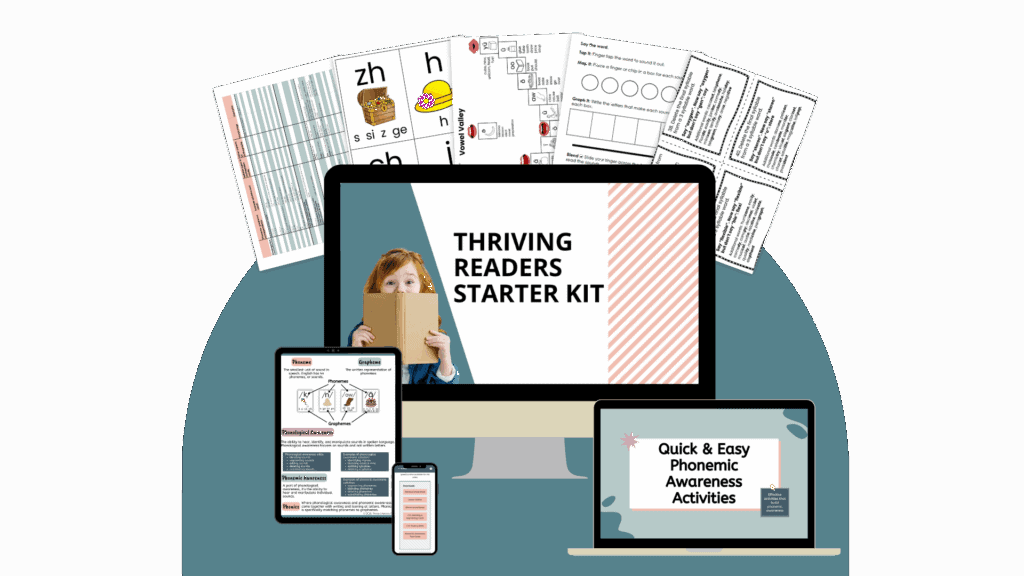
Check out my Thriving Readers Starter Kit, it includes a scope and sequence, 15-minute lesson plan templates, sound wall cards, phoneme-grapheme mapping templates, phonemic awareness cards, and a lesson plan generator tool to make planning faster and simpler.
SCIENCE OF READING QUICK START GUIDE
Grab your FREE guide with the 5 tools you need to get started with SOR!
*Most school spam filters block my emails, so please use a personal email.