Implementing Science of Reading Without Burning Out

This post may contain affiliate links, and I will earn a commission if you purchase through these links. Please read the disclosure policy for more details.
I used to think I needed to completely transform my reading block overnight.
Sound familiar? You read about the Science of Reading, attend a workshop, or dive into structured literacy research, and suddenly everything you’re doing feels wrong. Your mind races with all the changes you think you need to make.
Here’s what I’ve learned after years of working with teachers: You don’t need to do everything at once.
In fact, teachers think they have to restructure their entire reading block or toss out their curriculum and start over. But you can just make some small adjustments using what you already have to start implementing SOR, even if you’re mandated to use resources that are not ideal or you don’t have the time to ‘cover it all’.
Why Science of Reading Implementation Feels So Hard
The overwhelm is real. And it’s not your fault.
It’s important to understand that we are understaffed, under resourced, and underpaid. We cannot make miracles happen. We can only do so much with what we have, and we have to come to terms with the fact that it is not 100% in our control.
When you’re already stretched thin, the thought of learning new methods, finding new materials, and changing your entire approach feels impossible. I get it.
But here’s the truth: effective reading instruction doesn’t require a complete overhaul. It requires strategic, small changes that build on each other over time.
What to Focus On First
Instead of trying to change everything, start with these high-impact adjustments:
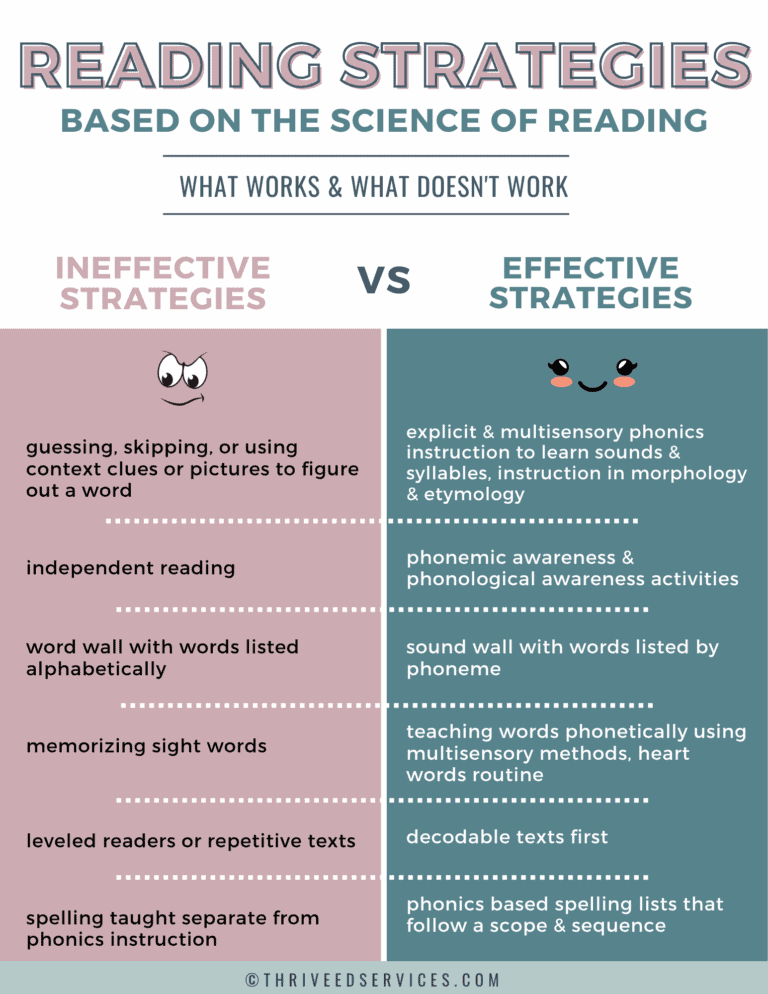
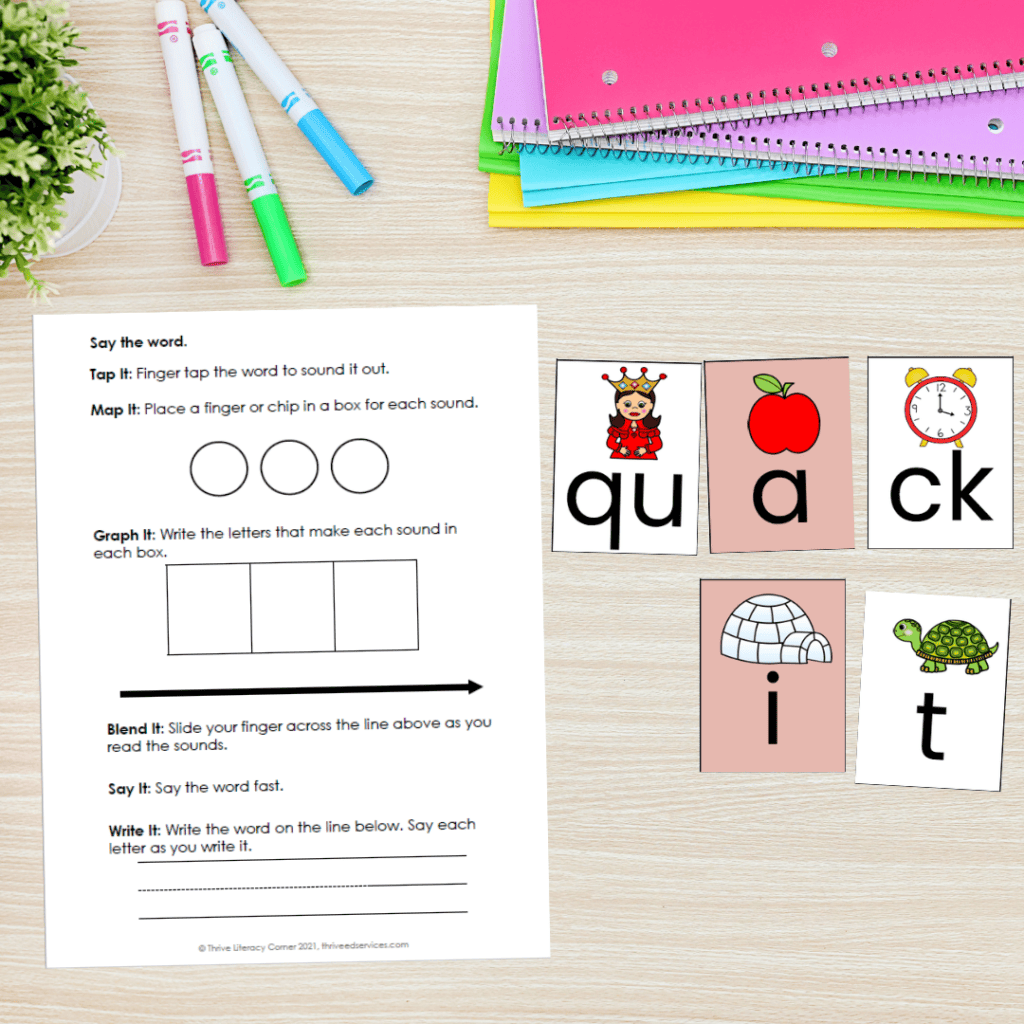
Use phoneme-grapheme mapping and sound boxes for teaching phonics and spelling. Any time you’re teaching a new word or spelling pattern, have students map the sounds to the letters. This builds orthographic mapping and improves decoding and encoding at the same time.
For example, instead of just showing students the word ‘ship,’ have them identify the three sounds (/sh/ /i/ /p/) and match them to the letter patterns (sh-i-p). Use sound boxes or a simple template to make this visual.

Align your spelling lists to your phonics instruction. If you’re teaching the ‘ai’ pattern in phonics, your spelling words should include words with that same pattern. This reinforces the connection between reading and spelling.
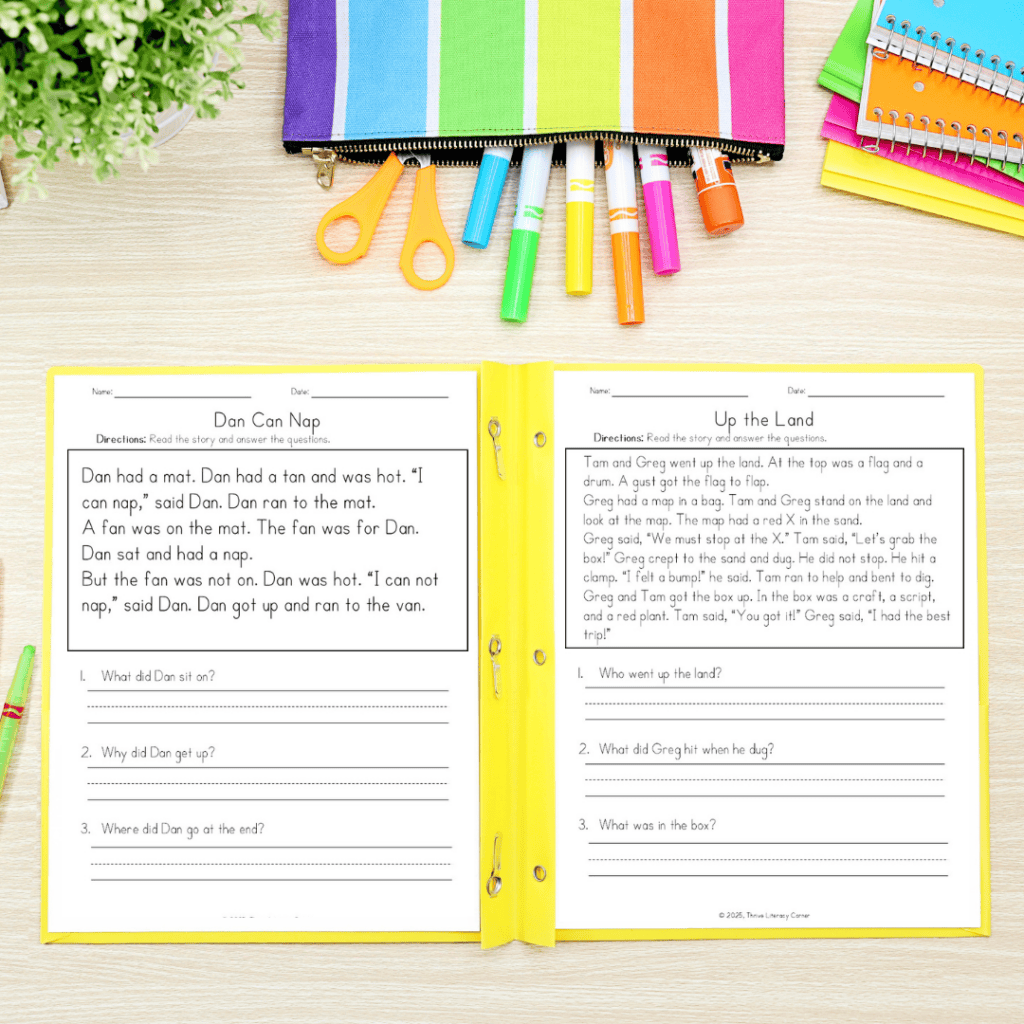
Swap out some guided reading time for decodable readers. You don’t have to eliminate guided reading entirely. Start by replacing predictable texts with decodable options during small group time. Students need practice with texts that match their phonics knowledge.
What You Can Put on the Back Burner
Not everything needs to change at once. These can wait:
- Perfect scope and sequence alignment. Yes, systematic and sequential instruction matters, but you can start implementing better practices with your current materials while you work toward a more structured sequence.
- Brand new curriculum or materials. Work with what you have first. Many traditional programs can be adapted with small tweaks to be more aligned with SOR principles.
- Covering every single phonics rule. Focus on the most common patterns first – short vowels, consonant blends, and long vowel patterns will give you the biggest bang for your buck.
Need help getting started with structured literacy basics? My Science of Reading Quick Start Guide walks you through the essential concepts and includes a phoneme-grapheme mapping template you can use right away.
SCIENCE OF READING QUICK START GUIDE
Grab your FREE guide with the 5 tools you need to get started with SOR!
*Most school spam filters block my emails, so please use a personal email.

Your Phased Approach to Implementation
Here’s how to approach SOR implementation without burning out:
Phase 1 (Weeks 1-4): Focus on explicit phonics instruction.
Instead of saying “What sound does this letter make?” and waiting for students to guess, you say “This is the letter ‘b’. The letter ‘b’ makes the /b/ sound. Say /b/ with me.” Then have students practice with sound boxes and phoneme-grapheme mapping during your existing phonics time.
When introducing new patterns like ‘sh’, show the letters, say “These letters together make the /sh/ sound,” and have students repeat it back. Use multisensory approaches – have them trace the letters while saying the sound. Don’t assume students know anything – teach each sound-letter connection explicitly before expecting them to use it.
Phase 2 (Weeks 5-8): Add systematic decoding practice.
When students encounter words they can’t read, stop them before they guess. Say “Let’s decode this word together.” Point to each letter or letter pattern from left to right and have them say each sound, then blend the sounds together. For the word ‘plant’, point to ‘p’ (/p/), ‘l’ (/l/), ‘a’ (/a/), ‘n’ (/n/), ‘t’ (/t/), then have them blend: “/p/ /l/ /a/ /n/ /t/… plant!”
Practice this during small groups, guided reading, and any time students encounter unfamiliar words. Replace “What do you think this word says?” with “Let’s sound it out.”
Phase 3 (Weeks 9-12): Build background knowledge through vocabulary and content instruction.
Before reading any text, spend 5-10 minutes pre-teaching key vocabulary and concepts. If you’re reading about penguins, show pictures, discuss where penguins live, what they eat, how they move. Use read-alouds to build knowledge about topics students will encounter in their own reading.
Have rich discussions: “What do you notice about this penguin’s feathers? Why might they be arranged this way?” Connect new vocabulary to students’ experiences: “Huddle is like when you get close to stay warm. When do you huddle with your family?” This supports comprehension while students are still building decoding skills.
Phase 4 (Ongoing): Follow a scope and sequence that builds systematically.
Once you’re comfortable with the first three phases, map out your phonics instruction so each new skill builds on previous learning. Start with short vowels and simple CVC words before moving to blends, then long vowels, then more complex patterns.
Use a checklist to track which patterns you’ve taught and ensure you’re not jumping around randomly. If your curriculum doesn’t follow this progression, supplement with additional practice for foundational skills before introducing advanced concepts.
Simple Routines That Make a Difference
Small, consistent practices compound over time:
- Start each lesson with 5 minutes of phonemic awareness. Practice segmenting, blending, or manipulating sounds in words. Keep it oral and keep it short.
- Use the same sound box routine for spelling and reading. When students see a new word, they segment the sounds. When they spell, they segment the sounds. Consistency builds confidence.
- End lessons with one minute of review. Have students read or spell 3-5 words that practice the day’s pattern. Quick success builds momentum for tomorrow.
Give Yourself Permission to Start Small
Just do what you can and feel good that you are trying your best.
Like they say, when you know better, do better. Don’t feel bad about the past – make realistic changes and build on that progress over time.
Every small step toward structured literacy instruction is helping your students. You don’t need to be perfect. You just need to start.
The goal isn’t to become an expert overnight. The goal is to give your students better instruction than they had yesterday.
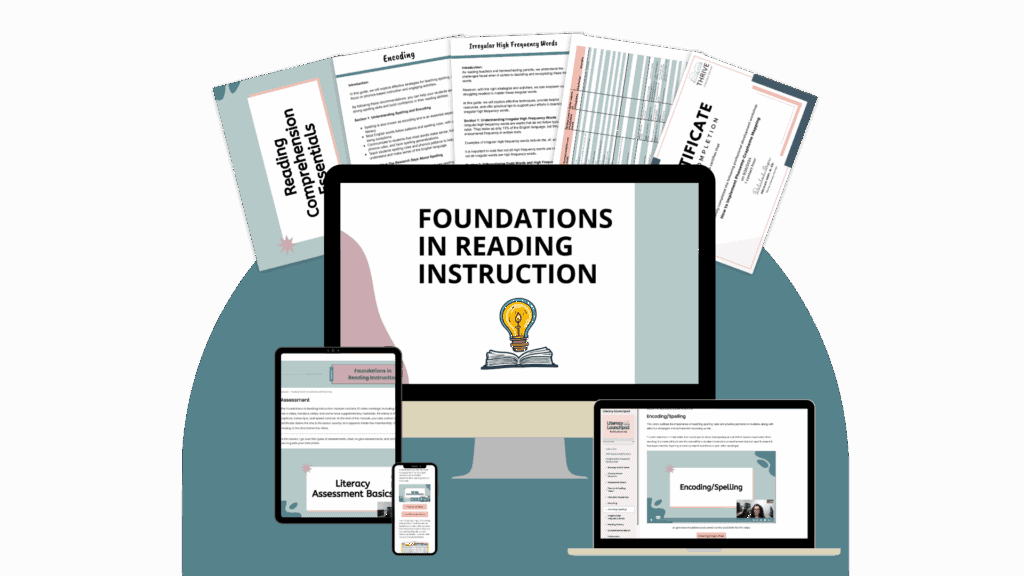
Ready to take the next step? My Foundations in Reading Instruction course breaks down everything you need to know about structured literacy into manageable, bite-sized lessons. You’ll learn the why behind the methods and get practical strategies you can use immediately, without the overwhelm.
Because when you have a clear plan, implementation doesn’t have to feel impossible.