The Reading Block Audit Every K-3 Teacher Should Do This Summer

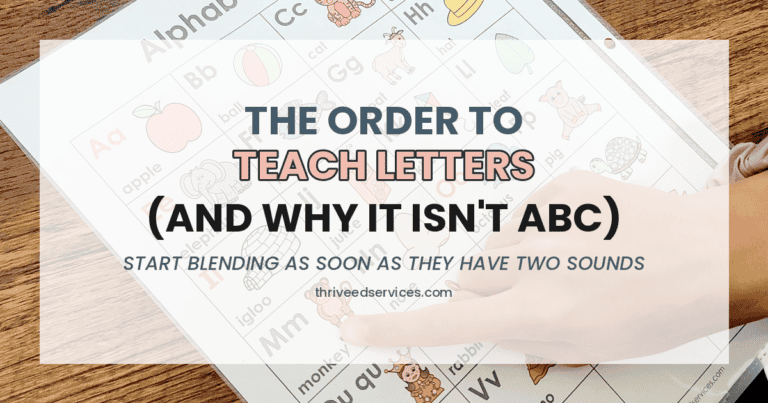
This post may contain affiliate links, and I will earn a commission if you purchase through these links. Please read the disclosure policy for more details.
A 2026 report from the Thomas B. Fordham Institute found that 82% of K-3 teachers say they’ve received science of reading training. But only 52% say their instruction actually reflects it.
That gap exists because the system never set most teachers up to close it. Only 2% of teachers say preservice training is where they learned effective reading instruction. Most figured it out on their own, through workshops, podcasts, social media, and sheer determination. And getting handed a new curriculum isn’t the same as understanding why it works.
This checklist is for two groups of teachers. The first has an SOR-aligned curriculum and follows it, but isn’t totally sure what it’s built on. The second has done LETRS, attended PD sessions, maybe read a few SOR books, but isn’t confident the training has fully made it into daily practice. Both situations are more common than anyone talks about.
Summer is the best time to take an honest look. There’s no class of 25+ kids watching you figure it out. Read through each item, mark yes, no, or not sure. The “not sure” answers are your roadmap.
One note for teachers in scripted programs: if your school requires you to follow a curriculum word for word, some of these items may feel outside your control right now. That’s real. But understanding the “why” behind what you’re teaching, what makes a scope and sequence effective, why decodable text matters, what explicit instruction actually looks like, makes you a stronger advocate for your students even inside a system with constraints.

How to Use This Audit
Read each item. Mark yes, no, or not sure. Don’t overthink it. The goal isn’t to score yourself. It’s to identify where to focus your summer learning.
The SOR-Aligned Reading Block Checklist
1. Phonics follows an explicit scope and sequence.
Skills are taught in a deliberate order, moving from simple to complex, with each new skill building on what came before.
What this looks like: CVC words come before consonant blends. Digraphs before long vowel patterns. Silent-e before vowel teams. If your students are working on vowel teams before they have solid short-vowel decoding, or magic-e is showing up after vowel teams already, the sequence is off. A well-built scope and sequence doesn’t skip rungs on the ladder, and your teaching shouldn’t either.
2. Phonics is taught explicitly, not discovered.
You are directly teaching the sound-spelling pattern, modeling it step by step, and having students practice with immediate feedback. Students aren’t expected to infer patterns from exposure or figure them out through reading alone.
What this looks like: “Today we’re learning the /ai/ vowel team. Watch me: rain, tail, wait. The letters AI together make the long A sound.” Then guided practice. Then application in decodable text. Research from Ungerer, Rastle, and Armstrong (2026) confirms that explicit instruction significantly outperforms implicit approaches, especially for students who don’t pick up patterns on their own.
This is the foundation of the E in the READS framework: teach the skill clearly and directly, model it step by step, one pattern at a time.
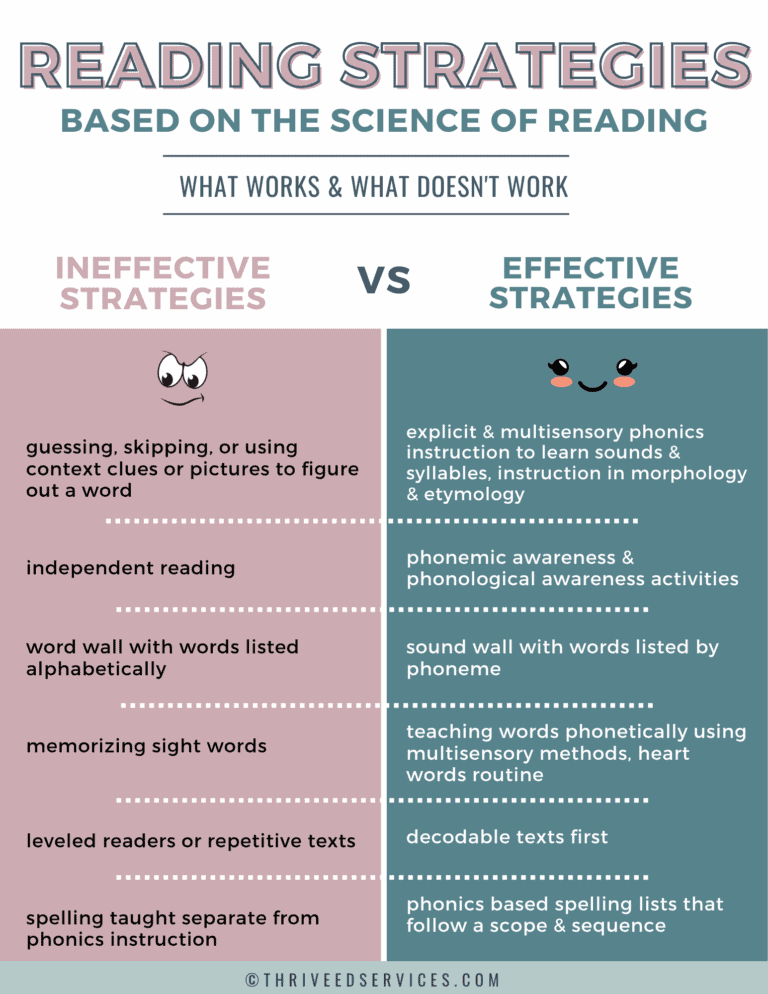
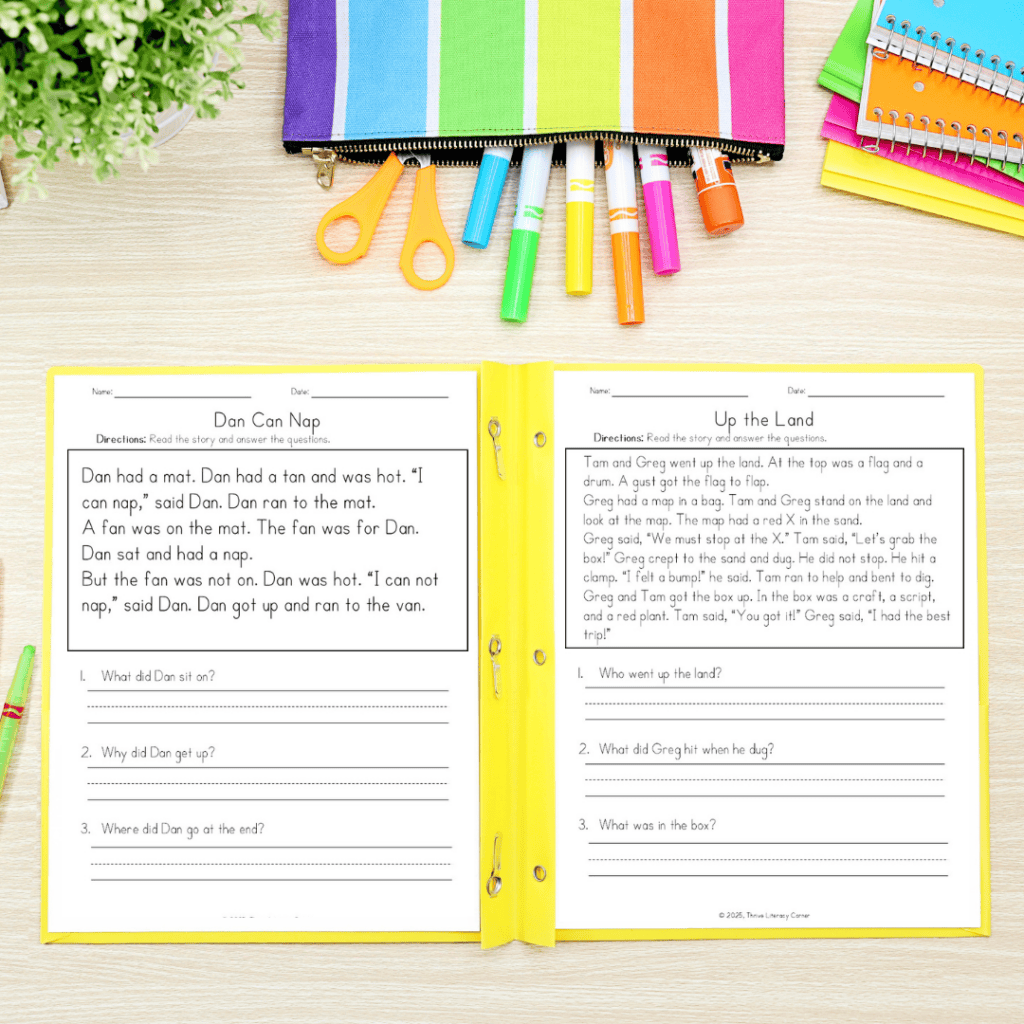
3. Students practice decoding with decodable text, not predictable or leveled readers.
After learning a phonics pattern, students should practice reading text where most words can be decoded using patterns they’ve already been taught.
What this looks like: After teaching short a CVC words, students read a decodable text with words like cat, sat, ran, not a leveled reader that relies on picture clues, repetitive sentence frames, or memorized high-frequency words. The point is application, not supported guessing. If a student can get through a text without using the phonics skills you just taught, it isn’t doing what you need it to do.
4. High frequency words are taught with phoneme-grapheme mapping, not pure memorization.
Even “irregular” words have mostly regular parts. Students should be connecting sounds to letters, not memorizing whole-word shapes.
What this looks like: For the word “said,” students notice that /s/ and /d/ are regular, only the AI vowel is the unusual part. They mark the tricky part and say the sounds for everything else. This is heart word instruction. It’s more durable than drilling flashcards because students understand the system instead of relying on shape recognition.
5. Phonemic awareness is explicitly taught in K-1, not assumed.
Phonemic awareness, the ability to hear and manipulate individual sounds in spoken words, is the foundation decoding is built on. It needs to be taught directly.
What this looks like: “Say ‘cat.’ Now say it without the /k/.” Students who can’t do that consistently will hit a ceiling with phonics no matter how strong the curriculum is. Rhyming activities aren’t enough. Students need to segment, blend, and manipulate phonemes. PA instruction should be short, daily, and hands-on, not a workbook page.
6. Vocabulary is explicitly taught, not just encountered.
Students learn word meanings through direct instruction, not just exposure. This matters especially in K-2, where vocabulary compounds quickly.
What this looks like: Before reading a text, you introduce 2-3 words students will need to understand it. You explain them, use them in sentences, and return to them across the week. “We’ve been reading about ecosystems. Let’s see where we could use the word ‘habitat’ to describe what we’re talking about.” Vocabulary instruction isn’t a separate subject. It runs through everything.
7. You’re building background knowledge intentionally, not incidentally.
Reading comprehension problems in upper elementary are often knowledge problems in disguise. The seeds are planted in K-2.
What this looks like: Read-aloud time isn’t random. You’re building knowledge in organized domains (science, history, culture) so students have something to connect new information to. A student who has heard 20 books about weather systems will comprehend a third grade passage about climate far more easily than one who hasn’t. That work starts now.
8. Fluency is getting real instructional attention.
Fluency doesn’t develop automatically once decoding is practiced enough. It needs to be taught, with repeated reading, phrasing modeling, and purposeful attention to rate and accuracy together.
What this looks like: Students are rereading decodable texts to build automaticity. You’re modeling what fluent, expressive reading sounds like. Fluency isn’t just clocked for a running record score; it’s measured with a purpose. A student who reads accurately but slowly is still working to free up mental space for comprehension. Fluency instruction is how you get them there.
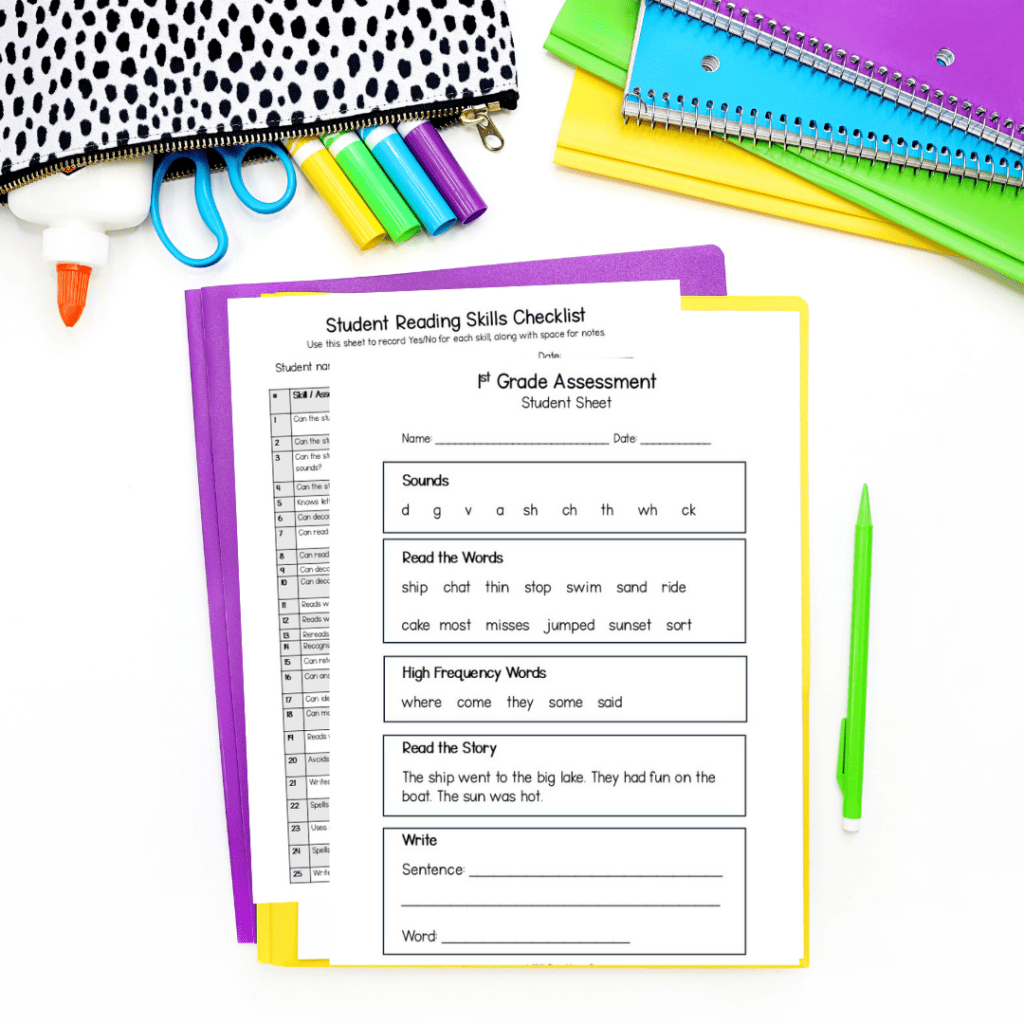
9. You’re using regular, low-stakes checks to drive instruction, not just waiting for benchmark windows.
Formal screeners tell you who might be at risk. What you do between those windows is where the real teaching happens.
What this looks like: After a dictation, you notice that three students are consistently confusing short e and short i spellings. Instead of waiting until the next assessment window to address it, you adjust your instruction now. This is the R in the READS framework: Respond to Data. Look for skill gaps, not levels. Teach the lowest unmastered skill. Ask “what do my students need right now?” rather than “what chapter are we on?”
What to Do With Your Results
If you marked yes on most items, you’re closer than you think. Pick one area where you answered “not sure” and make that your summer focus.
If you had a lot of “no” or “not sure” answers, that’s a starting point, not a verdict. You know exactly where to go next.
A good place to start: the phoneme inventory. If you’re not fully solid on all 44 phonemes in English (how they’re produced, how they map to graphemes) that’s foundational knowledge that shapes everything else in this checklist. Grab the free phonemes list using the form below and start there.
Grab a FREE list of phonemes subscribing to my list!
*Most school spam filters block my emails, so please use a personal email.

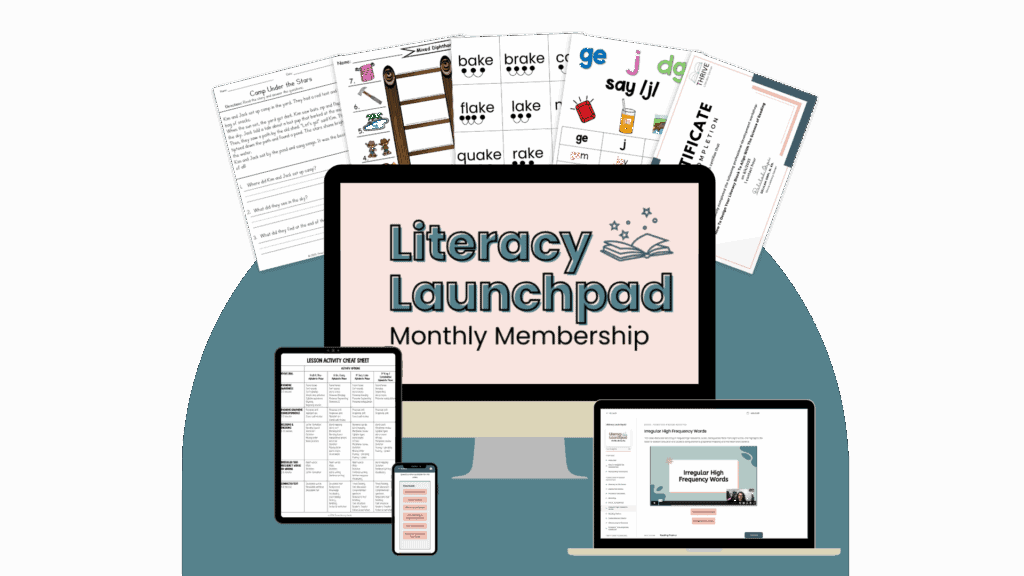
For a structured way to work through all of this, the Literacy Launchpad membership walks you through the full picture, with PD resources, phonics tools, and the kind of support that makes this feel manageable instead of overwhelming.
Closing
The training gap is real. But you can do something about it during the summer.
This is the time to learn without an audience, to sit with something confusing until it clicks, and come back in September with more clarity about what you’re doing and why.
Pick one item from the checklist and go deep on that one thing.
Sources
- Fordham Institute, From the Teacher’s Desk: A Science of Reading Progress Report (Griffith & Fitzpatrick, 2026) — https://fordhaminstitute.org/national/research/teachers-desk-science-reading-progress-report
- Ungerer, Rastle & Armstrong, Perspectives on Psychological Science (2026) — https://journals.sagepub.com/doi/10.1177/17456916261438004