The Last 3 Weeks: What Actually Works for K-2 Phonics Review

This post may contain affiliate links, and I will earn a commission if you purchase through these links. Please read the disclosure policy for more details.
Testing is over. Field day is on the calendar. And somewhere between the end-of-year chaos and counting down the days, phonics instruction falls off the schedule.
It makes sense. You’re tired. Your students are distracted. And if you’re honest, it can feel like whatever you do in the last three weeks won’t matter much anyway.
But there’s one thing you need to keep in mind: students are about to go two to three months without touching a decodable text. For kids who are already behind, that gap is real. The progress they’ve made this year is worth protecting. And you don’t have to run yourself into the ground to do it.
You just need the right toolkit.
Why These Last Weeks Still Matter
The summer slide is well-documented. Students lose reading skills over summer break, and struggling readers lose more than their peers. (Reading Rockets, NICHD)
For the majority of your K-2 students who are still working toward grade-level benchmarks, these last weeks are not throwaway time. They are the last deposit before a long withdrawal.
The goal right now is consistent, low-stakes practice that keeps skills warm. And the good news is that you can make that happen without it costing you anything extra.
The Mixed Levels Problem
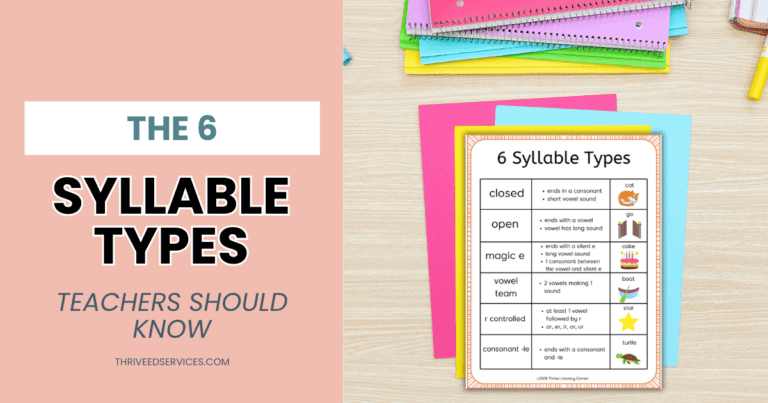
Here’s what a K-2 classroom actually looks like in May: some students have made it all the way through your scope and sequence. Others are three-quarters of the way there. Some are still working on CVC words while others are reading magic-e patterns. Some need decoding practice. Others need encoding.
You are not going to solve that with one activity for the whole group.
What works instead is a toolkit. A set of go-to activities you can reach for and assign on a whim, each one targeting where a student actually is. The goal is independence. Students pick it up, they know the routine, and they go. You are free to handle the end-of-year requirements piling up on your desk.
Build the Toolkit: Activities That Run Themselves
Every activity in this list has one thing in common: students already know how to do it. You are not introducing anything new. You are reviewing what you have already taught, in formats they are familiar with. That is the whole game in the last three weeks.
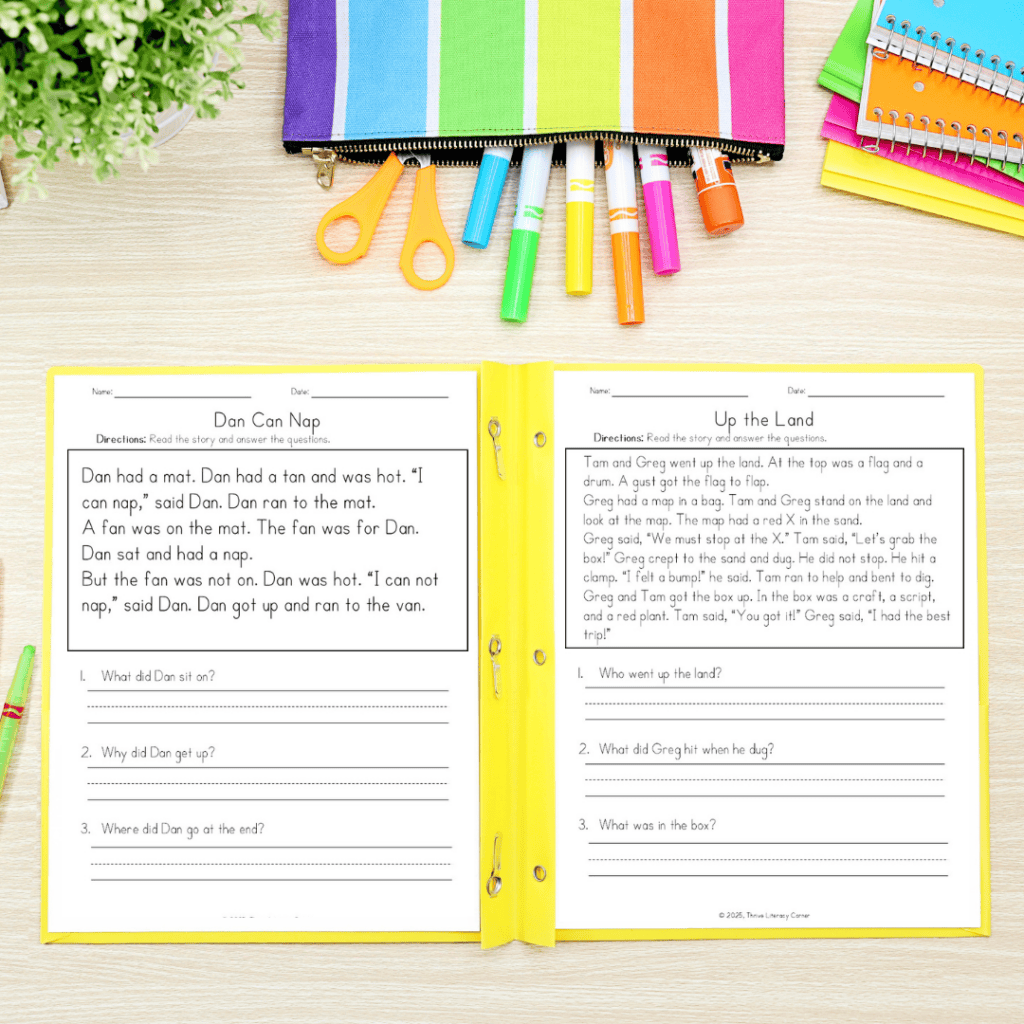
Decodable Texts
Decodable readers are the workhorse of a May phonics toolkit. Use sets that move through the scope and sequence from K through 2nd grade. Assign each student to the level that matches where they are. As they finish a set, they move up or move to another activity that builds on that same skill. Simple, self-paced, and genuinely instructional.
Color by Code Sheets
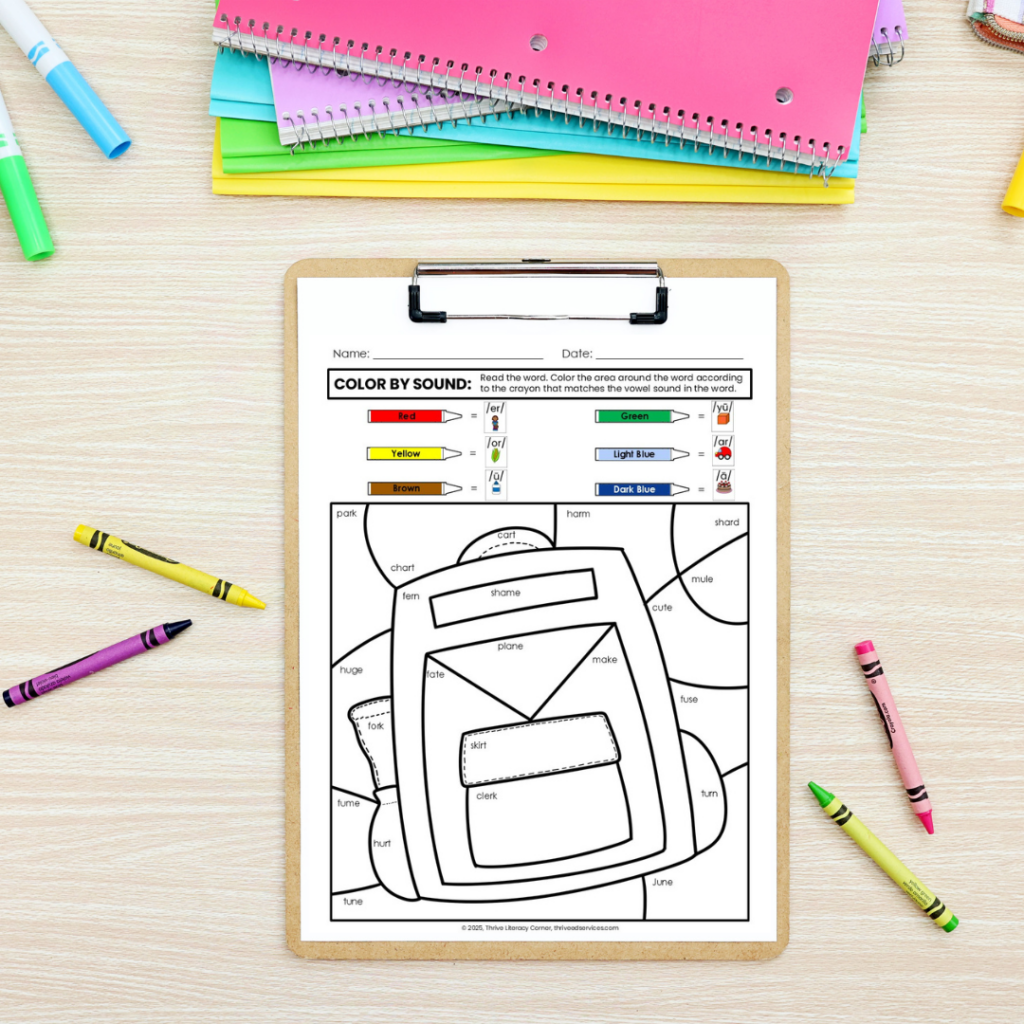
These look like a fun end-of-year activity. They are also actual phonics practice. Summer or camping-themed color by code sheets focused on specific sounds keep students engaged while still covering the skills they need. Students love them. You are not babysitting.
Word Mapping Mats
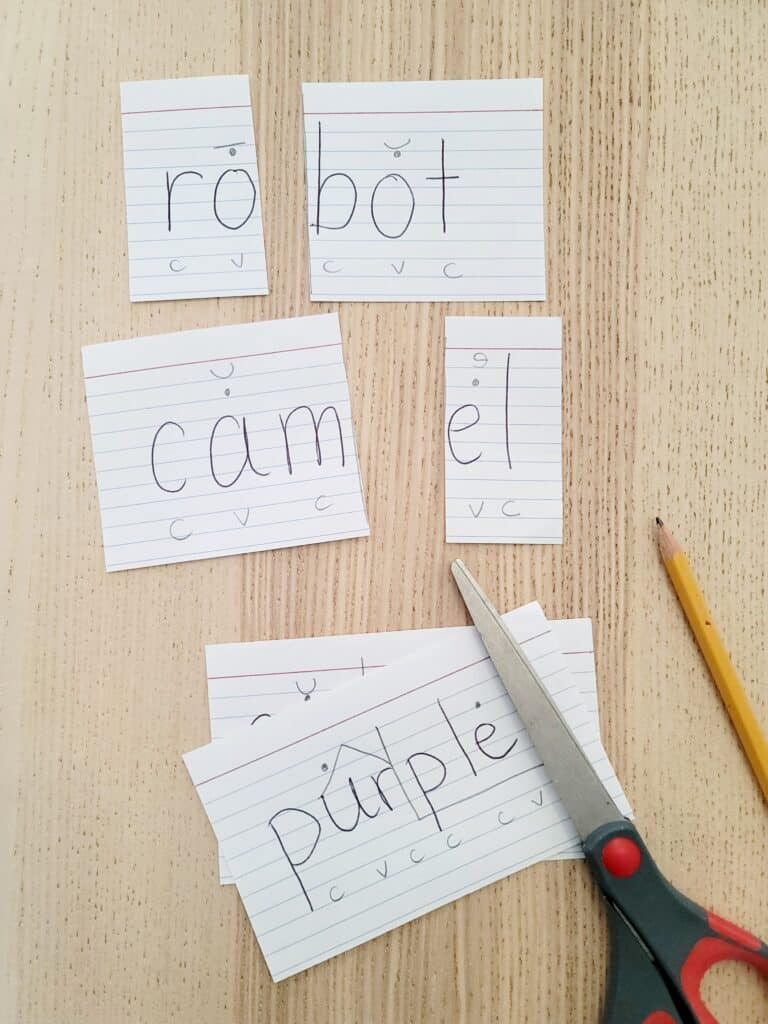
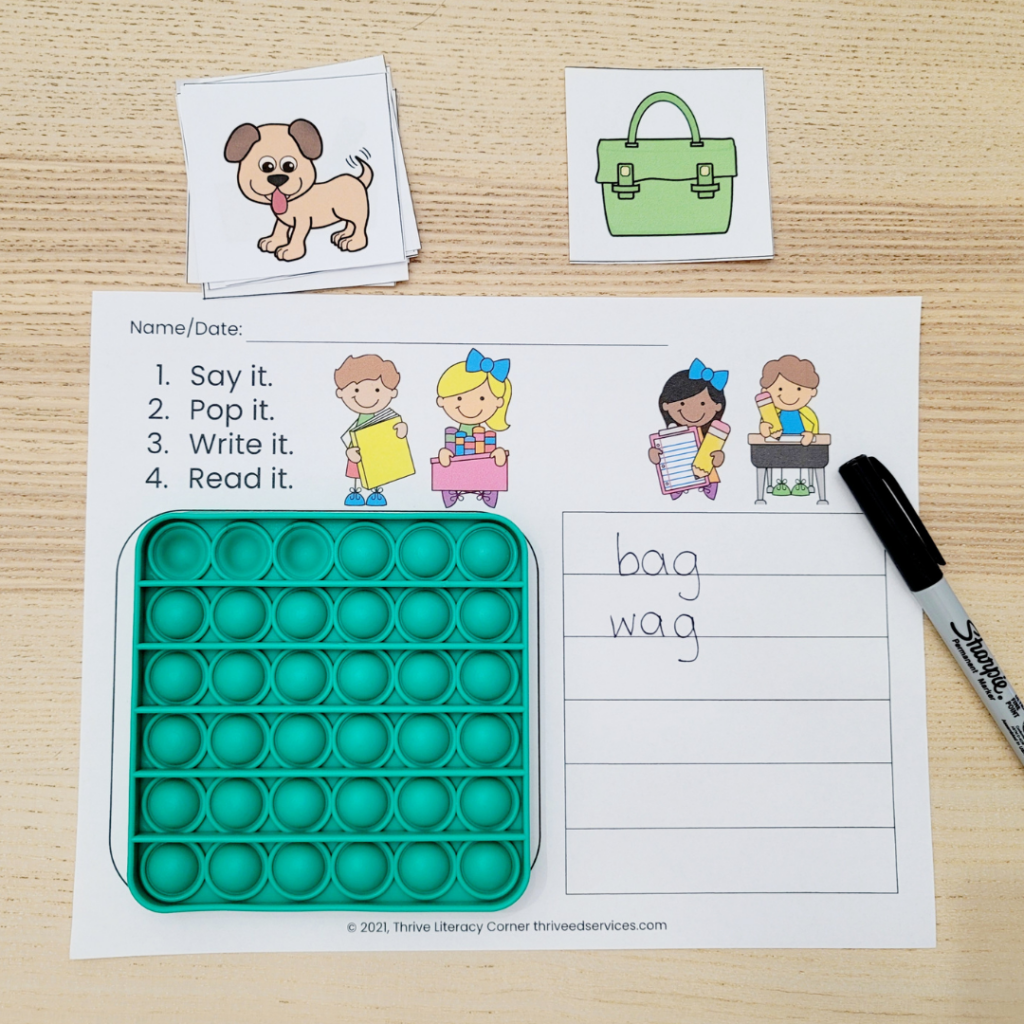
Word mapping is one of the most powerful things you can do for readers who are still building phoneme-grapheme connections. Students segment the word, map each sound to a grapheme, and build the orthographic representation in their memory. Once students know the routine, they can do this independently with a word list. (Kilpatrick, Equipped for Reading Success)
Self-Checking Digital Phonics Games
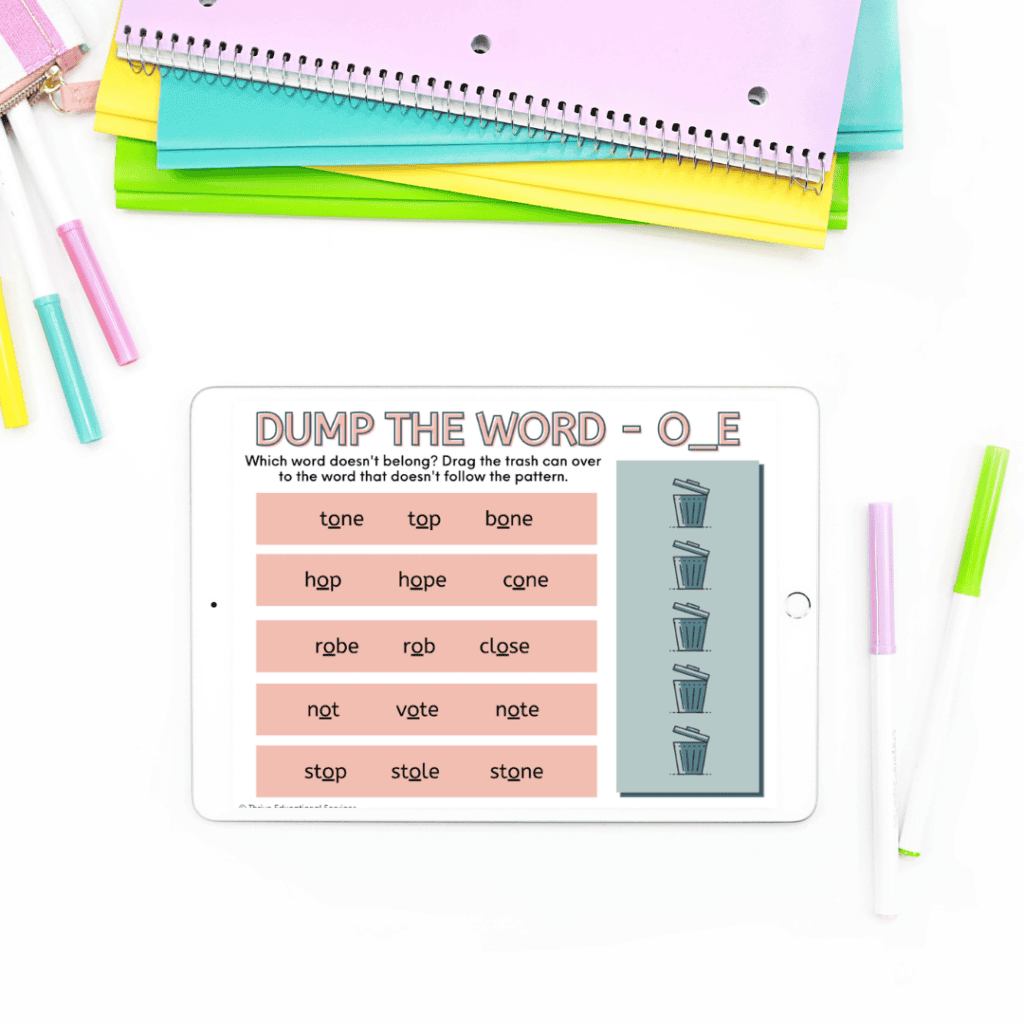
These are no prep, familiar routines, and easy to assign. Students can work individually or in pairs. Self-checking digital games keep engagement high in the last weeks when attention is hard to hold.
Word Sorts, Word Chains, and Fluency Grids
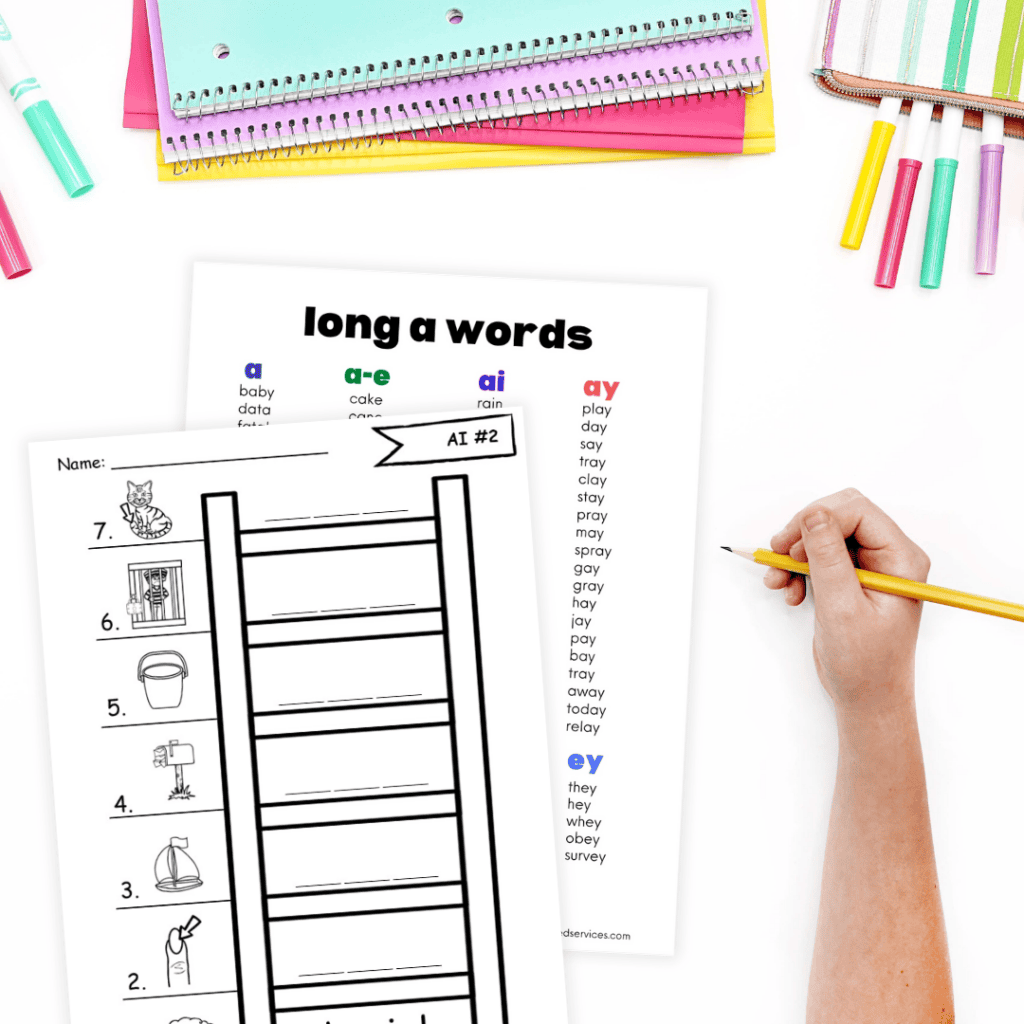
If your students have been doing word sorts and word chains all year, they know exactly what to do. Assign by skill level and let them go. Fluency grids work the same way. These are not filler. They are the exact kind of practice that keeps skills from sliding over summer.
Dictation
Encoding practice without teacher involvement. Once students understand the dictation routine, you can post a word list and let them work. This would make a good partner routine where one student reads while the other writes, then they switch.
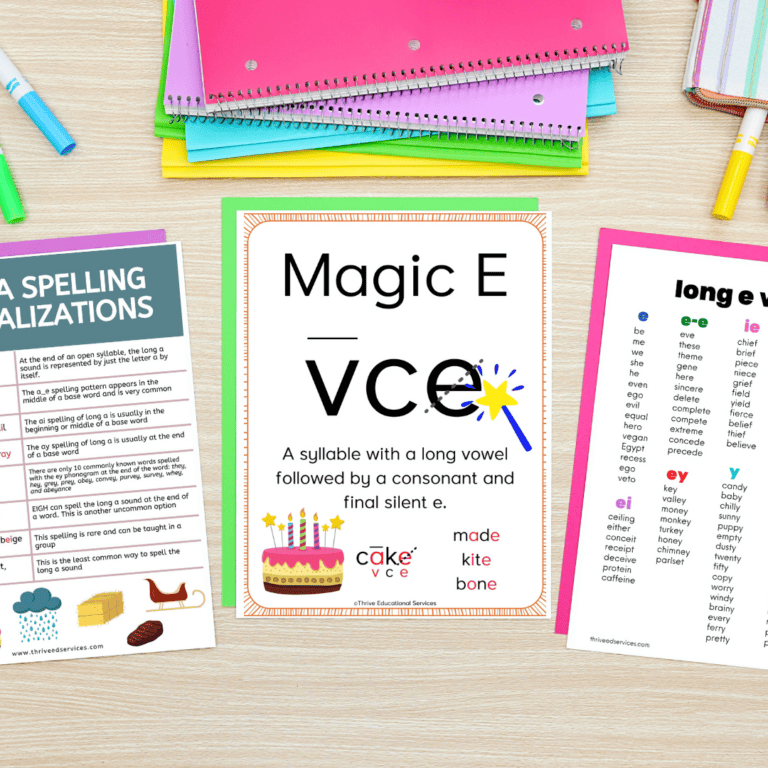
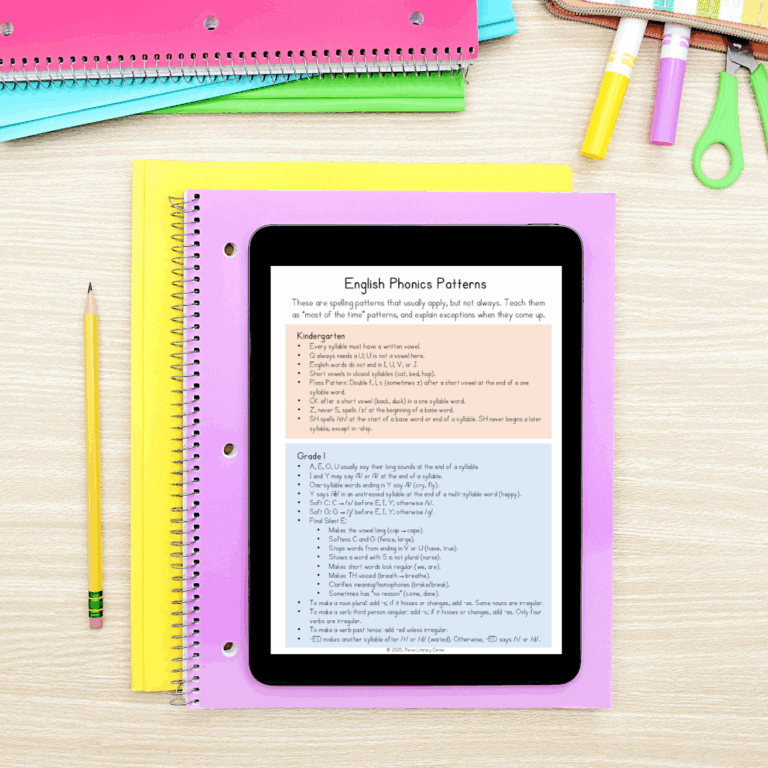
Phonics Anchor Charts
Provide or post anchor charts for skills you know some students need to reference. Let students use them as a tool when they are working independently. A well-placed anchor chart does a lot of heavy lifting when you are not available to answer every question.

A Sample Center Rotation
Here is what a practical end-of-year center rotation can look like for a mixed-level K-2 classroom:
- Group 1 (CVC/short vowels): Decodable reader set + word mapping mat
- Group 2 (blends/digraphs): Decodable reader set + digital phonics game
- Group 3 (magic-e/vowel teams): Color by code sheet + word chains
Students move through centers independently. You circulate, check in, handle the seventeen other things you have on your list. Rotate every 15-20 minutes or let students self-pace through the set.
What to Say to Your Students
Sometimes students push back on phonics work in May. Here is a script you can use:
“We are going to keep practicing our reading skills right up until the last day of school. Your brain is like a muscle. If you stop using it, it gets weaker over summer. Everything we do now helps you stay strong so you come back in the fall even better than where you are today.”
Short, clear, no drama. Most students respond well when you give them a real reason.
The Toolkit in One Place
If you want everything above ready to go without building it yourself, the End-of-Year Phonics Survival Kit has you covered. It includes decodable readers for K, 1st, and 2nd grade, color by code sheets, word mapping mats, and digital phonics games. Everything in one place, sorted by level, ready to assign.
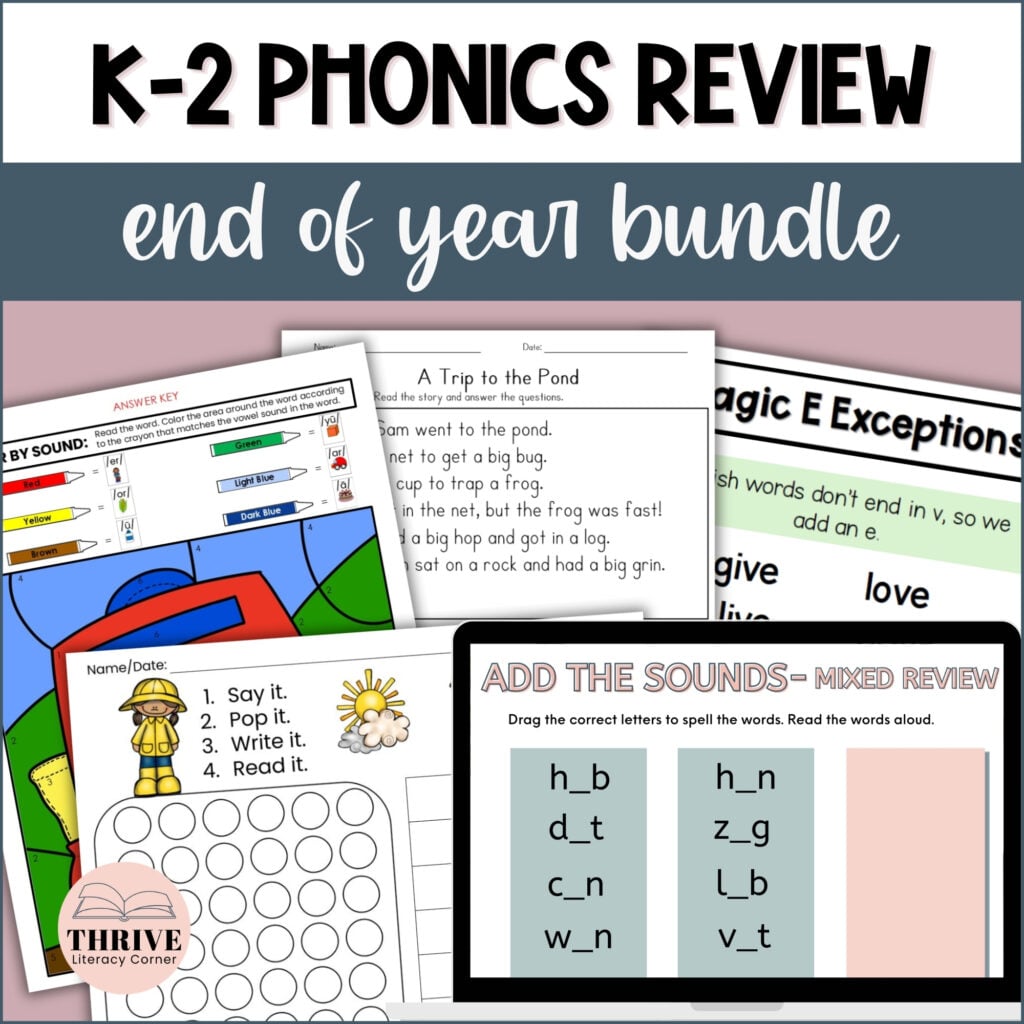
Want to round out your full toolkit? Grab these individually from the shop:
- More targeted decodables – CVC • CVC + blends & digraphs
- Word Chains & Ladders
- Fluency Grids
You Have What You Need
The last three weeks do not have to be a phonics dead zone. You already taught these skills. These activities are just giving students the practice reps to make them stick.
Pick two or three things from this list. Set up the rotation. Then let the toolkit do the work.
SCIENCE OF READING QUICK START GUIDE
Grab your FREE guide with the 5 tools you need to get started with SOR!
*Most school spam filters block my emails, so please use a personal email.

Sources
- Kilpatrick, D. A. (2016). Equipped for Reading Success: A Comprehensive, Step-by-Step Program for Developing Phoneme Awareness and Fluent Word Recognition. Casey & Kirsch Publishers.
- National Institute of Child Health and Human Development. (2000). Report of the National Reading Panel: Teaching Children to Read. U.S. Government Printing Office.
- Reading Rockets. Summer reading loss and how to prevent it. Retrieved from https://www.readingrockets.org