Why Teaching Phonics Rules in Isolation Is Confusing Your Students

This post may contain affiliate links, and I will earn a commission if you purchase through these links. Please read the disclosure policy for more details.
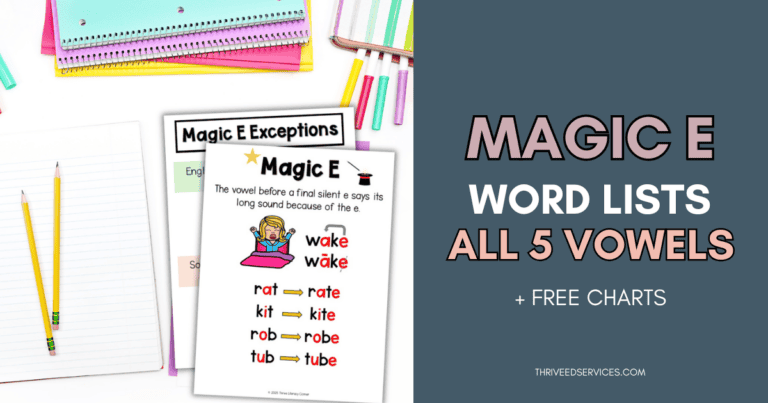
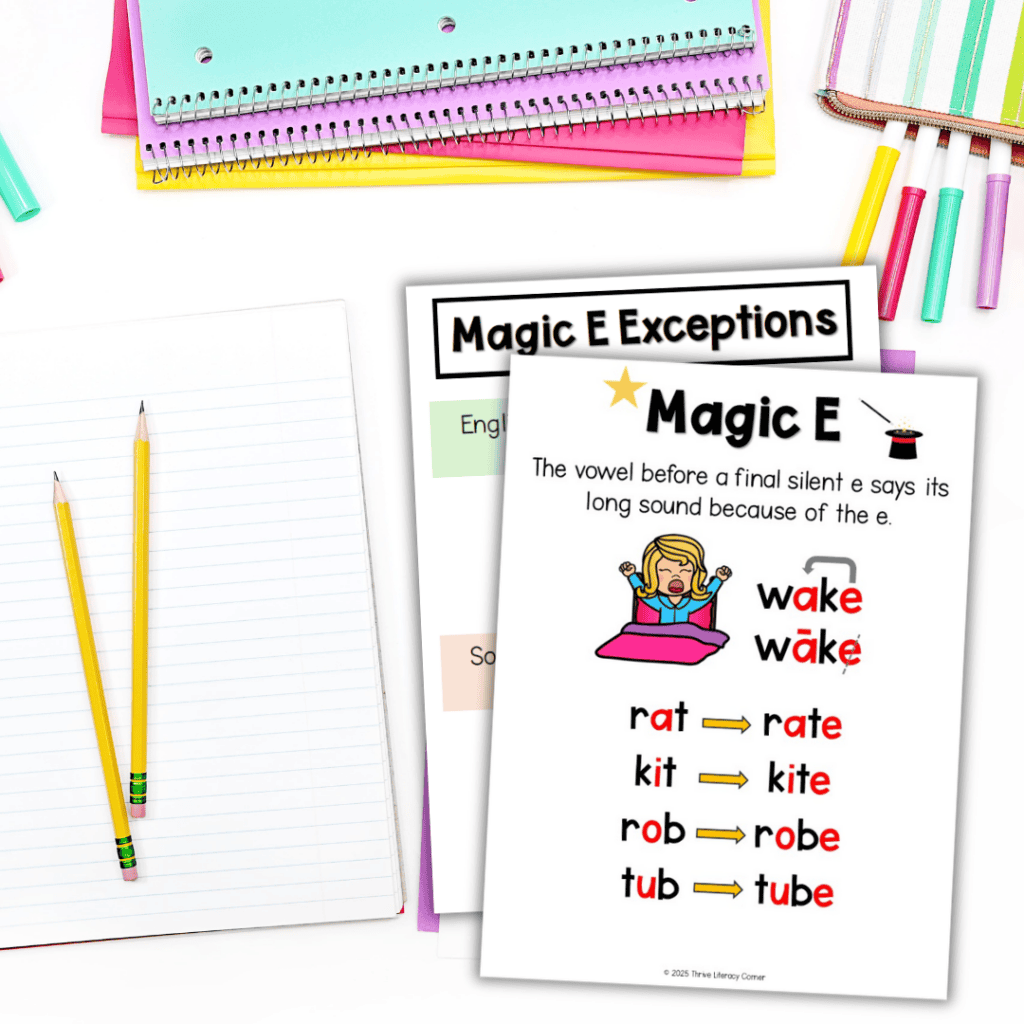
Picture this: You teach the Magic E rule. You explain it clearly. You put it on the word wall. You do the activity. Students chant it back to you.
Then you hand them a decodable text, and they read “cape” as “cap.
Sound familiar?
This moment – the one where a student can recite a rule perfectly and still apply it wrong – is one of the most frustrating things we experience as reading teachers. And it’s also one of the most common.
Here’s what I want you to know: it’s not your fault. And it’s not the student’s fault.
It’s a structure problem.
What Teaching Phonics Rules & Patterns in Isolation Actually Looks Like
Most of us were taught to teach phonics a certain way. You introduce a rule/skill. You show some examples. You give students a worksheet. You move on.
We call it explicit instruction, but a lot of what passes for phonics teaching is actually just phonics exposure.
Here’s what isolation looks like in real classrooms:
- A rule poster on the wall with no follow-up practice
- Chanting a rule as a class without mapping any words
- Fill-in-the-blank worksheets without any teacher modeling
- “This is the rule. Now practice it.” with no feedback loop
None of those things are bad on their own. But none of them are sufficient on their own either.
Putting a rule on a worksheet is not explicit instruction.
Why Isolated Rule Instruction Doesn’t Stick
When a student learns a rule without a complete instructional sequence around it, their brain files it as isolated trivia, not a usable tool.
There are four things that are almost always missing when phonics rules don’t transfer:
1. Explicit Modeling
Students need to watch you think through a word out loud before they can do it themselves. Stating the rule or phonics skill is not the same as modeling how to apply it. Show them your process, not just the outcome.
2. Encoding Practice (Spelling)
Decoding and encoding use different pathways in the brain. If we only have students read words with the pattern, we’re only doing half the work. Spelling the word, and thinking about why it’s spelled that way, deepens the connection significantly.
3. A Feedback Loop
Worksheets don’t give feedback. Practice without feedback just reinforces whatever the student is already doing, including the errors. We need to be in the room, watching what they do, correcting in the moment.
4. Transfer to Real Reading
Skills that are practiced in isolation tend to stay in isolation. Students need to immediately apply what they’re learning in decodable text, with support, before the skill has a chance to fade.
What Structured Phonics Rule Instruction Actually Looks Like
This is not complicated. But it does require intention. Here’s a simple 5-step format that makes a real difference:
Step 1: State the rule/skill clearly.
Not with a story. Not with a jingle. Just clearly and directly. When a vowel is followed by a consonant and a silent E, the vowel usually says its long sound.
Step 2: Model 3-4 words.
Think out loud as you go. “I see the vowel A, the consonant P, and the silent E. So the A says its long sound. This says ‘tape.'” Do this more than once so students can see the process.
Step 3: Map 2-3 words together.
Do a few words with the class. Ask questions. Check their thinking. “Where is the silent E? What does that tell us about the vowel?” This is where you find out what they actually understand.
Step 4: Apply in decodable text.
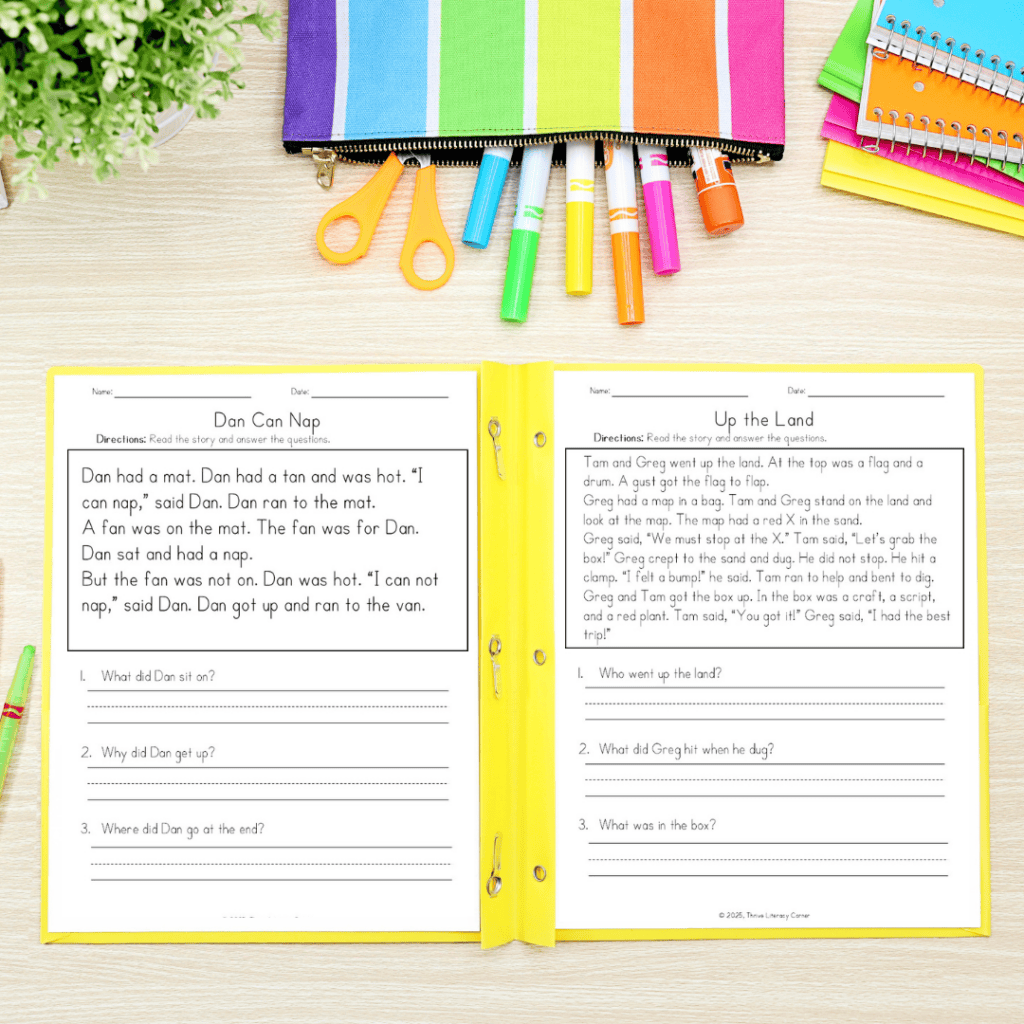
Give students text that contains the pattern. Have them read it aloud. Point out when they use the rule correctly. This is where the rule stops being a rule and starts being a reading strategy.
Step 5: Dictate words with immediate feedback.
Have students write words that use the pattern. Watch what they do. Correct errors right away. This is your encoding practice and your feedback loop happening at the same time.

Why Clarifying When Rules DON’T Apply Matters Just as Much
This is something we skip a lot. We teach the rule, we practice the rule, and we move on. But one of the most important things we can do for students is show them the boundaries of a rule.
When does Magic E not work? What about “love” and “have” and “come”? What happens when a student hits those words and their rule breaks?
Without boundaries, rules feel unreliable. Kids start to feel like reading is random, like no matter what they learn, there’s always an exception that breaks it.
But when we tell them upfront – “This rule works most of the time, but here are the words that are different and here’s why” – something shifts.
This is why I tend to shy away from saying ‘rule’ and instead prefer the word ‘pattern’. Usually there are some exceptions so this helps to not create the idea that it ‘always’ follows the pattern.
Students feel safer when patterns make sense. And they try harder when they trust the system.
A Quick Note on “Science of Reading Aligned” Resources
When I see that something is science of reading aligned, my alarm bells go off. Because I know that right now, it’s a marketing term.
It’s trending, and everybody’s slapping that label onto their products. A lot of the times, they are not actually science of reading aligned. That’s a big red flag.
Just saying that something is science of reading aligned doesn’t mean anything. You have to know what to look for.
Alignment is about instructional design. It’s about whether the steps are explicit. Whether there’s systematic sequencing. Whether students are actually applying what they learn, not just completing tasks around it.
When you understand what structured phonics instruction actually looks like, you stop getting fooled by the marketing and you start recognizing what real instruction looks like immediately.
SCIENCE OF READING QUICK START GUIDE
Grab your FREE guide with the 5 tools you need to get started with SOR!
*Most school spam filters block my emails, so please use a personal email.

If You’re Feeling Scattered With Phonics Right Now
There’s no need to feel behind. A lot of teachers are doing the right things – they’re working hard, they’re following programs, they’re adding resources. They’re just missing a daily structure that ties it all together.
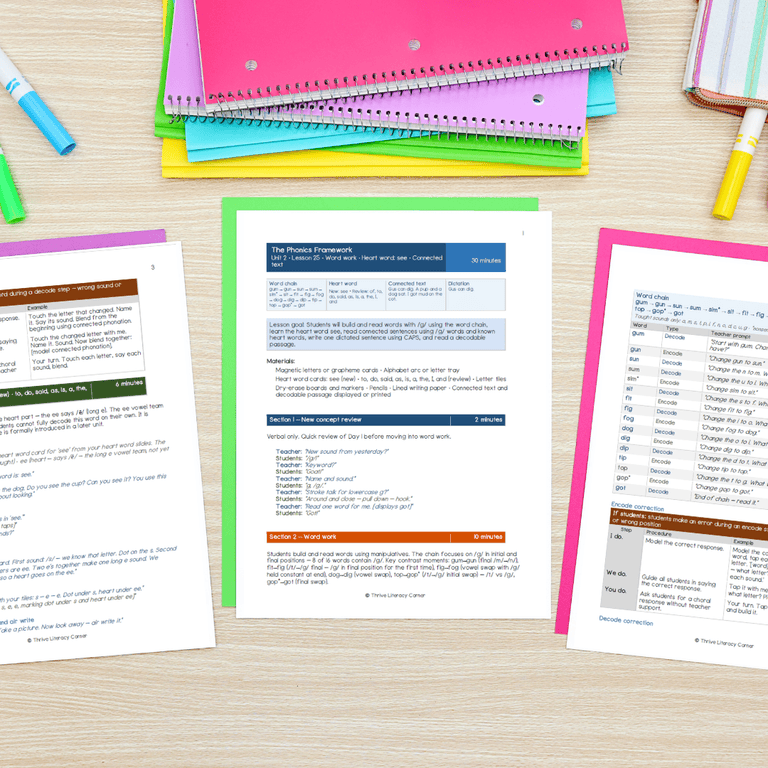
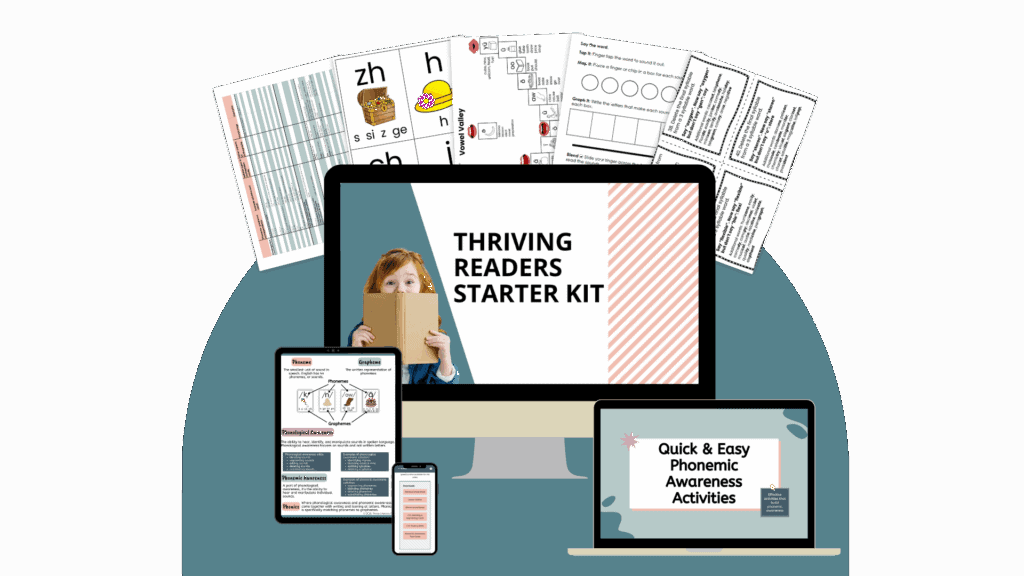
That’s exactly what the Thriving Readers Starter Kit was built for. It’s a structured daily phonics routine that saves you the overwhelm of planning everything from scratch. It comes with training videos so you know exactly how to use it, and even a custom bot generator that generates routines for you.
It’s the difference between doing scattered phonics activities and running a phonics block that actually builds on itself every single day.
The Bottom Line
Knowing a rule is not the same as being able to use it. If our students can chant rules but fall apart when it’s time to read or spell, the instruction isn’t complete yet.
It doesn’t mean you’ve failed. It means you now have a framework for what comes next.
State the rule. Model it. Map it together. Dictate with feedback. Transfer to text. Tell them when it doesn’t apply. That’s the structure that turns a rule on a poster into a skill a child can actually use.
Want even deeper instructional clarity – the kind that changes how you look at student data and plan every lesson? The Foundations in Reading Instruction course is where teachers go when they’re ready to build real confidence in structured literacy instruction.
Thanks for reading! If this was helpful, share it with a colleague who might need it. And keep an eye out for next week’s post – we’re going even deeper into phonics instruction and what it actually takes to get rules to stick.