The C or CK Rule in Phonics: When to Use CK

This post may contain affiliate links, and I will earn a commission if you purchase through these links. Please read the disclosure policy for more details.
What Is the C or CK Rule?
After students master short vowels, they’re ready to learn when to use c and when to use ck at the end of words.
The rule says:
CK is used only after a single vowel which says its short sound.
In kid-friendly terms:
“If a short vowel word ends in /k/, we usually spell it with ck, not just c.”
Examples: back, sock, duck
A quick note: You’ll hear this called a rule, but I like to frame it as a pattern. Most of the time it works this way, but not always. When I introduce it to kids, I tell them: “This is what usually happens in English words, but there are some exceptions we’ll learn together.”
When to Teach the C or CK Rule
This rule is introduced in Kindergarten, right after students learn the Floss Rule. It builds directly on short vowel knowledge and helps students decode and spell dozens of one-syllable words.
How to Teach the C or CK Rule
Here’s a simple routine I use with students:
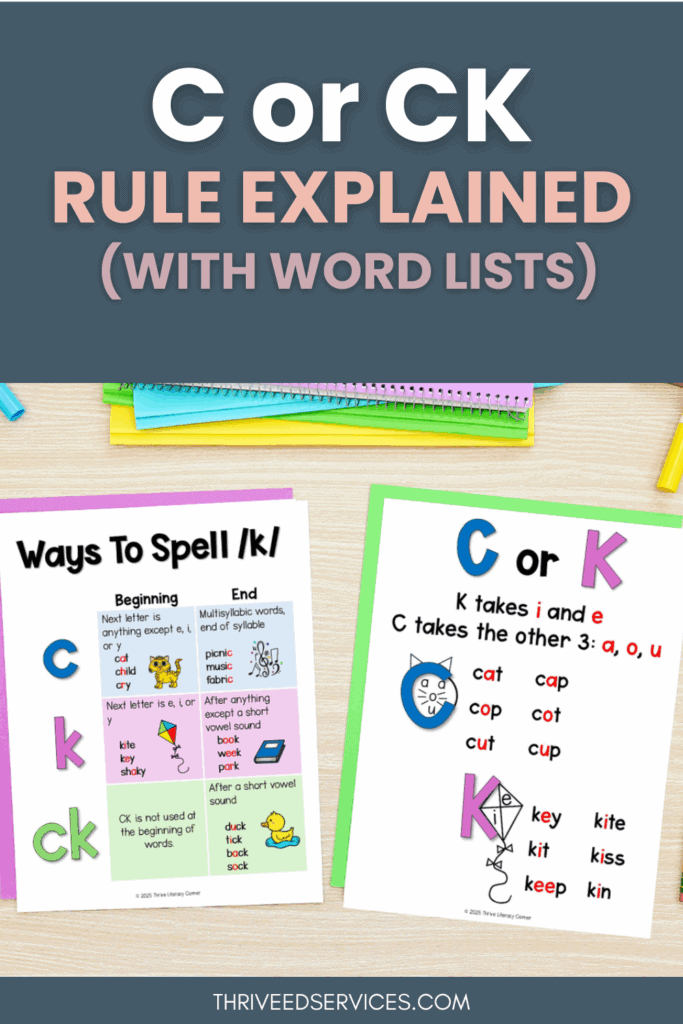
- Anchor Chart – Make a chart with two columns: “C” and “CK.” Start with examples (cat, cap, back, sock). Ask: “What do you notice about the words that use CK?”
- Highlight the Pattern – Show that CK comes only after a short vowel. Circle the vowel and underline the ck.
- State the Rule Clearly – Teach students: “When a short vowel one syllable word ends in the /k/ sound, we usually spell it with ck.”
- Write and Say – Have students practice writing ck words (back, kick, sock) while saying the letters aloud.
- Dictation – Say sentences that include ck words (ex: “The duck will quack.”). Students write while applying the rule.
- Talk About Exceptions – Not every /k/ sound uses ck. If the vowel is long or another consonant comes after, just use c or k (ex: picnic, bike). It helps to show both correct and incorrect examples side by side.
- Practice with Games –
- Word sorts (c vs ck endings)
- Matching cards (picture to word)
- CK bingo or board games
- Search for ck words in decodable readers

C or CK Word List
CK words (after short vowels)
back, pack, sick, duck, sock, luck, pick, neck
C words (not after short vowels)
picnic, music, race, topic
Common Misunderstandings
Students often want to add ck after every /k/ sound. Remind them that ck is only used after a short vowel in a one-syllable word. Show contrast pairs like:
- back vs bake
- sick vs silk
- pick vs picnic
What About Words That End in K?
The C or CK pattern only explains part of the /k/ spelling story. Many words end in just k, and students need to know when that happens.
- K is used at the end of a word after a long vowel, vowel team, or consonant.
- Examples: bake, bike, silk, milk.
- CK is only used after a single short vowel.
- Examples: back, duck, sock.
Tip for teaching:
I usually put this on the anchor chart right away so students don’t overgeneralize. I say, “K take i and e, C takes the other 3 (a, i, o)” as pictured in the anchor chart above.
Side-by-side examples help:
- back vs bake
- pick vs picnic
- sock vs silk
This way, students see that CK is a special spelling pattern only for short vowels — otherwise, K does the job.
Grab 12 FREE phonics word lists & anchor charts by subscribing to my list!
*Most school spam filters block my emails, so please use a personal email.

Activities for Reinforcing the C or CK Spelling Pattern
Word Sorts
Give students a list of words ending in the /k/ sound. Have them sort into two groups:
- CK after a short vowel (back, sock, duck, pick)
- K after long vowels, vowel teams, or consonants (bake, bike, silk, milk, fork)
- C in other places (picnic, topic, music, rice)
How to do it:
Write words on cards or slips of paper. Students read each word and place it in the correct column on a pocket chart or desk mat.
Why it works: Sorting helps students compare and contrast examples and exceptions, which deepens understanding of the pattern.
Word Hunt
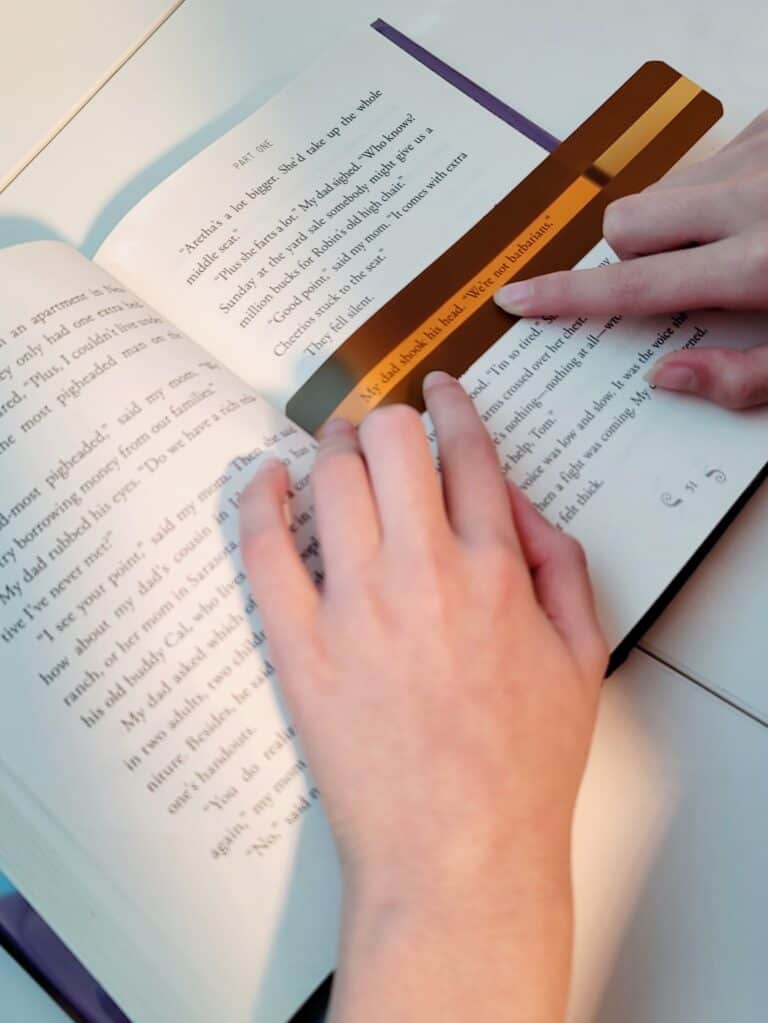
Have students go on a word hunt. Ask them to find 10 c and ck words around the room or in a book/passage. You can have them highlight the words they find in a passage and write them on flashcards or a whiteboard to sort by spelling.

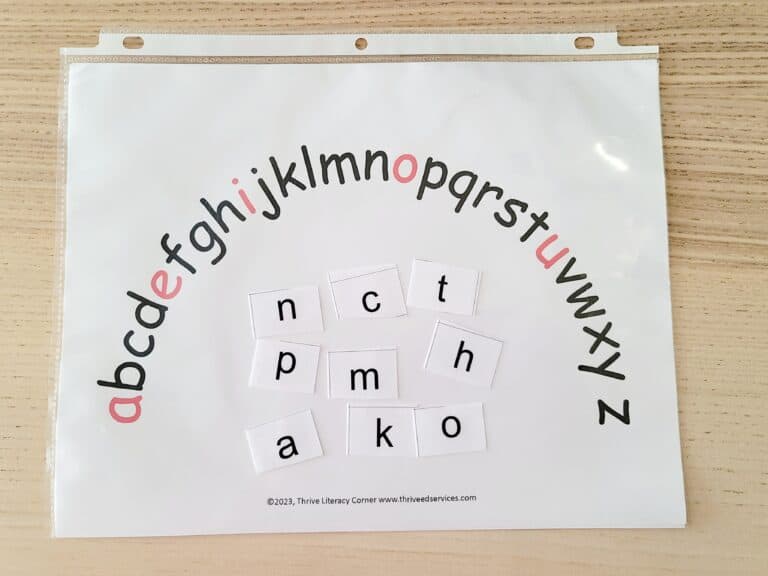
Above I asked the student to find all the “h brother” digraphs words in the passage and trace them in different colors.
Elkonin Boxes
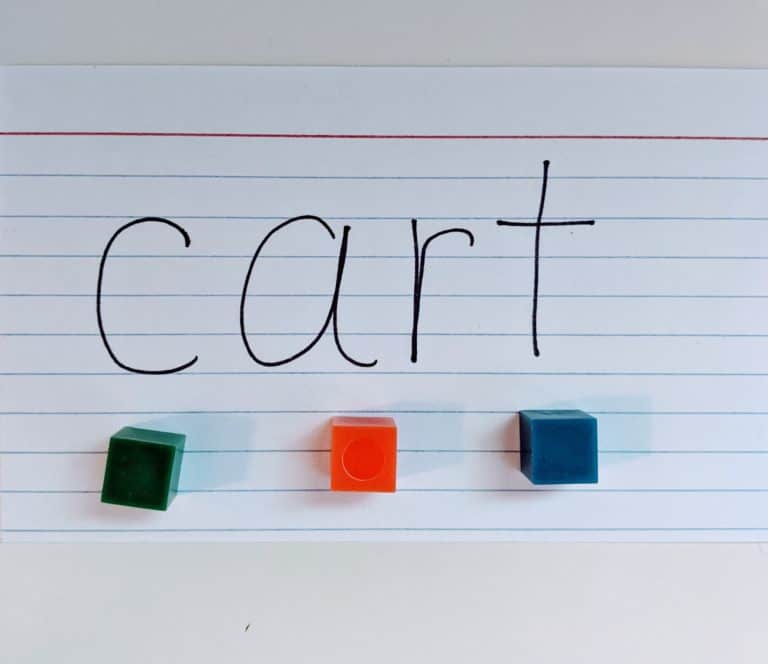
Have students tap out the sounds in a word and write the letters into boxes.
Example: For sick, students tap /s/ /i/ /ck/ and write s – i – ck in three boxes.
How to do it:
Draw 3 or 4 boxes on paper or a whiteboard. Say a word, tap the sounds together, then fill in the boxes with the letters.
Why it works: Students clearly see that ck represents one sound (k) but two letters, reinforcing phoneme-grapheme mapping.
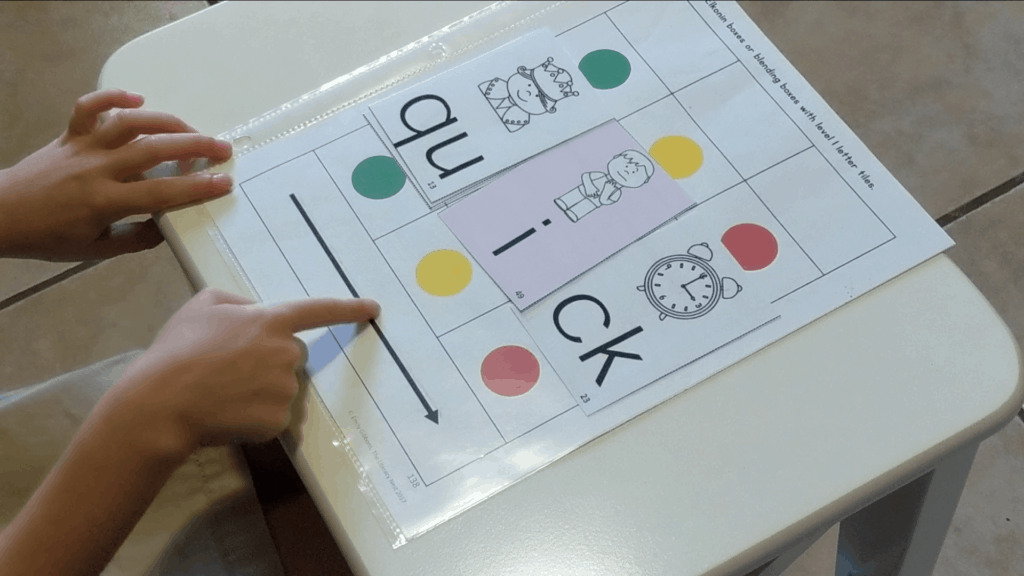
Phoneme Grapheme Mapping
his is one of the most effective ways to work on writing ck words. Students see that the two letters c + k work together as a single grapheme that represents one sound.
How to do it:
Use your ck word list and a phoneme–grapheme mapping template. Say the word aloud (ex: duck). Students tap out the sounds: /d/ /ŭ/ /k/. Then they write d – u – ck in the boxes, noticing that ck goes together in one box because it spells just one sound.
Why it works:
This activity helps students understand that even though ck has two letters, it represents a single phoneme. It builds strong sound–symbol connections and supports spelling accuracy.
? You can grab my Phoneme Grapheme Mapping Template in my shop or the freebies library.
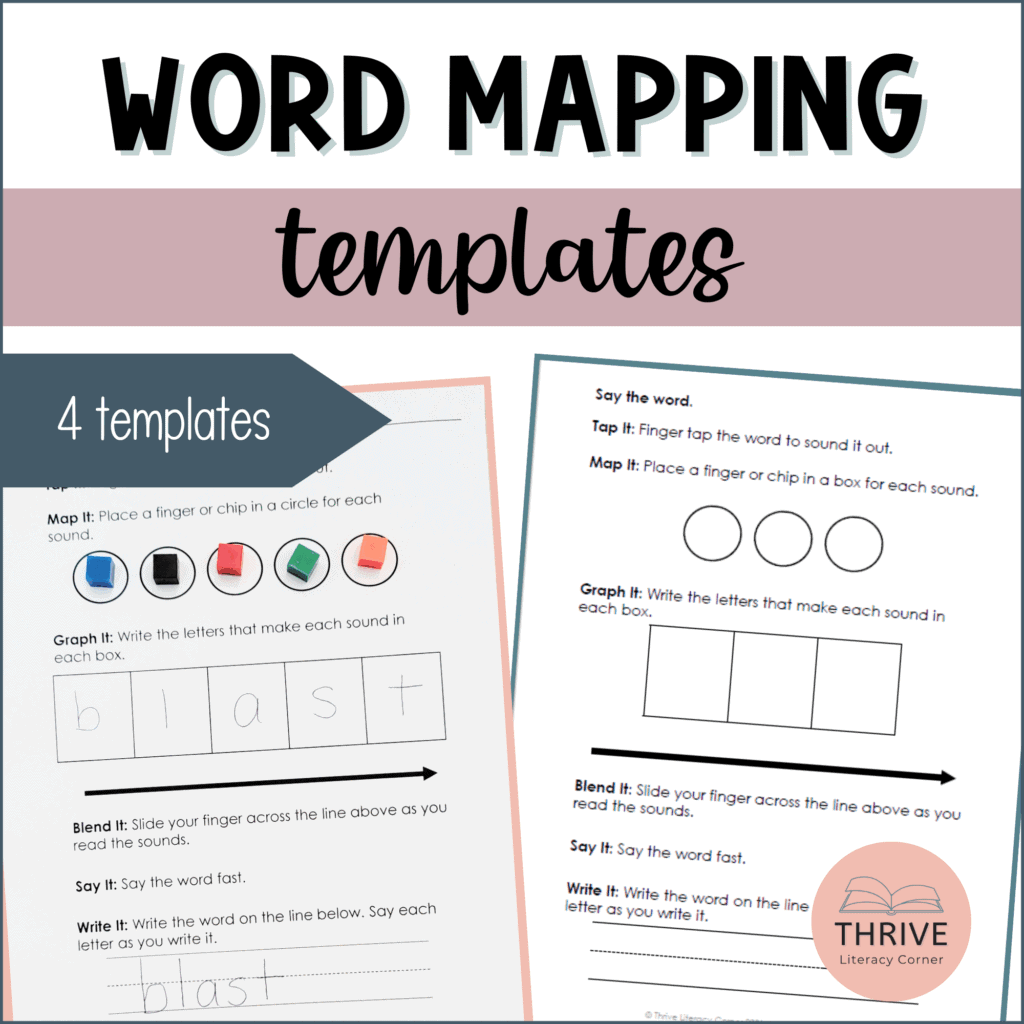
Writing Practice in Decodable Texts
Give students a short passage or story that includes several ck words.
Example:
“Nick had a sack. He put a rock in the sack. The duck will quack.”
How to do it:
Have students read the passage, then go back and highlight or underline all the ck words. You can also have them copy one or two sentences to reinforce spelling.
Why it works: Students see ck in real reading, not just isolated words. This helps with transfer to authentic texts.
Dictation Sentences
Use short sentences packed with CK words to give students practice applying the pattern in context.
Examples:
- “I will pack my sack.”
- “The duck will quack.”
- “Nick can kick the rock.”
How to do it:
Say the sentence aloud. Students repeat, then write it down. Go back together and underline the CK pattern.
Why it works: Dictation connects sound-to-print, reinforces handwriting, and shows the rule in real sentences.
Games
Make practice fun and hands-on:
- C & CK Bingo – Fill a bingo card with c and ck words. Call out the words or show pictures, and students mark the matching words.
- Memory Match – Create pairs of cards with c and ck words. Students flip and try to find matches.
- Go Fish – Use c and ck word cards. Students ask for words to complete sets (ex: “Do you have duck?”).
Why it works: Games give repeated exposure without it feeling like drill. They also work well in centers or small groups.
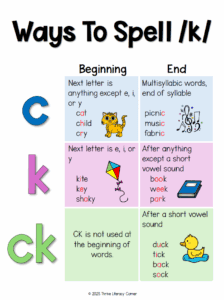
Printable Ways to Spell /k/ Anchor Chart
? Grab my Phonics Rules Anchor Charts which includes a Ways to Spell /k/ chart that explains when to use the c, k, or ck spelling of /k/.
This printable is perfect for small group lessons or as a take-home reference.
Connect It to Other Phonics Rules
The CK rule is part of the early Kindergarten sequence, right after the Floss Rule.
? See the complete guide to English phonics rules here.
Final Thoughts
The C or CK rule is straightforward but powerful. Teach it soon after short vowels, give students plenty of opportunities to sort, write, and read ck words, and make sure to point out exceptions. Once they master this rule, their spelling of short vowel words ending in /k/ becomes much more automatic.